
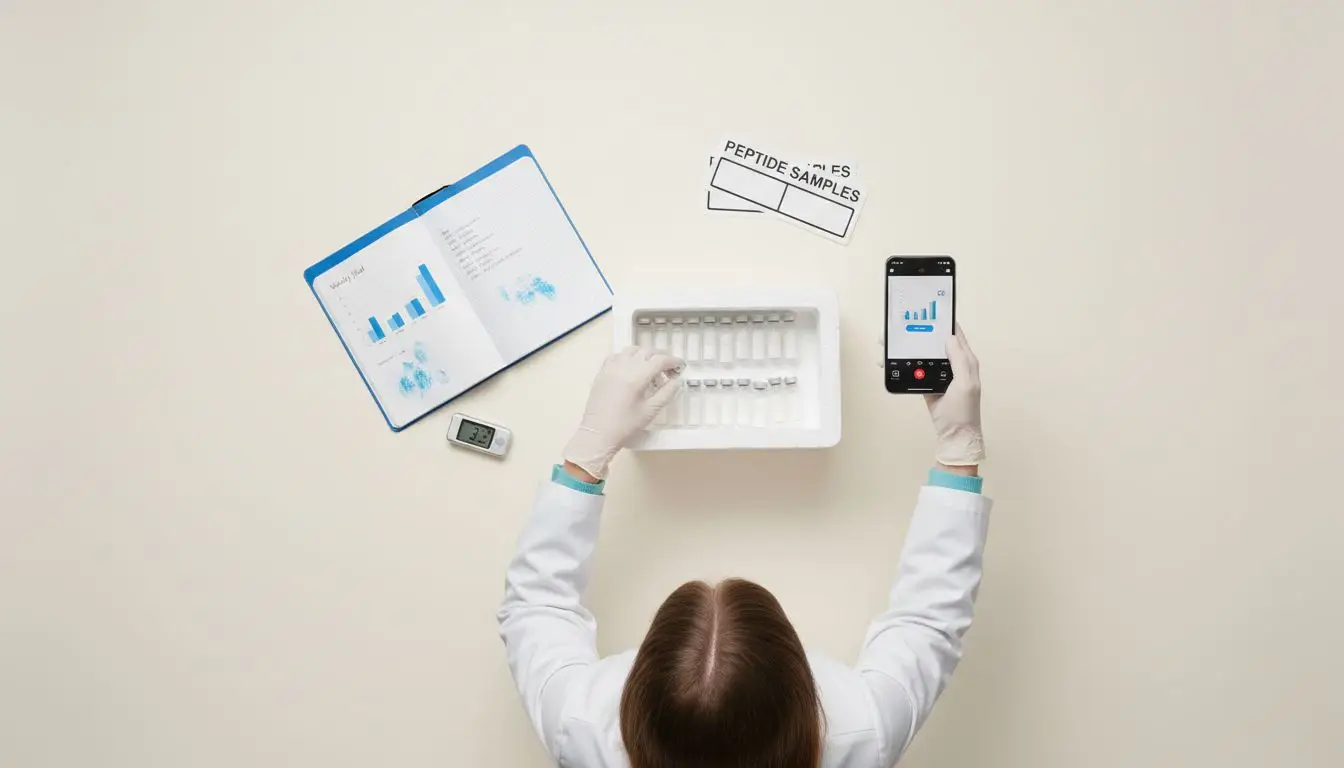
Most American citizen scientists and lab enthusiasts know that even a few seconds of uncontrolled storage can jeopardize up to 80 percent of peptide purity. For those handling high-purity lyophilized peptides, finding storage solutions that offer stability and transparency has never felt more urgent. This guide brings research-driven strategies for storing peptides that protect your investment and support fast, reliable lab work without hidden pitfalls.
Table of Contents
- Understand Lyophilized Peptide Basics
- Choose the Right Storage Temperature
- Protect from Light and Moisture
- Seal Vials Correctly for Longevity
- Label and Track Research Samples
- Use Desiccants for Extra Stability
- Safe Thawing and Handling Pro Tips
Quick Summary
| Takeaway | Explanation |
|---|---|
| 1. Store lyophilized peptides at low temperatures. | Optimal storage is between -20°C and -80°C to prevent degradation. This maintains peptides’ stability and effectiveness over time. |
| 2. Protect from light and moisture. | Use amber containers and desiccants to block UV radiation and humidity, both of which can degrade peptide integrity. |
| 3. Seal vials properly. | Use high-quality materials and ensure hermetic seals to guard against contaminants and moisture that could compromise peptides. |
| 4. Implement thorough labeling systems. | Clearly label each vial with essential information like peptide identity and storage recommendations to avoid mix-ups and ensure traceability. |
| 5. Use desiccants for additional stability. | Include moisture-absorbing agents in storage containers to absorb humidity and protect peptides from potential chemical reactions. |
1. Understand Lyophilized Peptide Basics
Lyophilized peptides are like the superheroes of scientific research: compact, stable, and ready to activate at a moment’s notice. When researchers need ultra pure, long lasting compounds, lyophilization (aka freeze drying) becomes the go-to preservation technique.
At its core, lyophilization is a sophisticated dehydration process that transforms liquid peptides into a stable powder form. This technique removes water content through sublimation, creating a lightweight, easily transportable research material that can survive temperature fluctuations. By eliminating moisture, scientists dramatically extend the peptide’s shelf life and maintain its molecular integrity.
Understanding lyophilized peptides starts with recognizing their unique characteristics. Unlike liquid solutions that degrade quickly, these powdered compounds remain chemically stable for extended periods. The peptide definition process reveals how these molecular structures maintain their research potential even after intense preservation techniques.
The magic happens through a three step process: freezing, primary drying (sublimation), and secondary drying (desorption). Each stage carefully removes water molecules while preserving the peptide’s critical structural components. Think of it like creating a molecular time capsule that keeps research materials pristine and ready for future analysis.
Researchers prefer lyophilized peptides because they offer unparalleled flexibility. You can reconstitute the powder with sterile water or appropriate solvents precisely when needed, ensuring maximum research efficiency. This approach prevents premature degradation and allows for precise measurement and application in laboratory settings.
Key Benefits of Lyophilization:
- Dramatically extended storage life
- Protection against molecular breakdown
- Easy transportation and handling
- Precise reconstitution capabilities
- Minimized risk of contamination
Pro tip: Always store lyophilized peptides in a cool, dark environment and minimize exposure to humidity to maintain optimal research quality.
2. Choose the Right Storage Temperature
When it comes to preserving lyophilized peptides, temperature is not just a detail its a mission critical factor that can make or break your research. Think of temperature control like maintaining a high security vault for molecular treasures.
Optimal storage typically means ultra low temperatures that keep peptide molecules in suspended animation. Most researchers aim for temperatures between 20 and 80 degrees below zero Celsius. These extreme cold conditions prevent molecular degradation and keep peptides stable for extended periods. The Puck Panic guide highlights how even minor temperature fluctuations can compromise research material.
Temperature Storage Guidelines:
- Liquid nitrogen storage (196 degrees below zero): Ultimate long term preservation
- 80 degrees below zero freezer: Standard laboratory preservation method
- Refrigerator temperatures (2 to 8 degrees): Short term storage only
- Room temperature: Absolute last resort with significant risk of degradation
Understanding molecular stability requires precision. Peptides are delicate compounds that can quickly lose structural integrity when exposed to temperature variations. Imagine each peptide as a microscopic time traveler that needs a perfectly controlled environment to maintain its original form.
Researchers should invest in high quality freezers with consistent temperature maintenance and backup power systems. Digital temperature monitors provide an additional layer of security by tracking environmental conditions in real time.
Pro tip: Always use temperature loggers and backup cooling systems to ensure your peptide samples remain protected during unexpected power interruptions or equipment failures.
3. Protect from Light and Moisture
Light and moisture are the ultimate kryptonite for lyophilized peptides. These environmental villains can rapidly degrade molecular structures faster than a superhero origin story falls apart.
UV radiation and ambient humidity represent serious threats to peptide stability. Photodegradation occurs when light waves interact with peptide molecules, causing chemical changes that compromise research integrity. Moisture introduces another layer of risk by potentially triggering molecular breakdown and unwanted chemical reactions.
The peptide basics guide underscores how critical environmental control is for maintaining research material quality. Protecting lyophilized peptides requires a multilayered defense strategy that blocks both light and moisture infiltration.
Essential Protection Strategies:
- Use amber or dark glass containers to block UV radiation
- Implement airtight storage solutions with desiccant packets
- Store in opaque containers with tight sealing mechanisms
- Minimize exposure to ambient light and humidity
- Use nitrogen or argon gas to create an inert storage environment
Researchers should treat peptide storage like a high security vault. Each container becomes a molecular fortress designed to preserve research potential. Specialized storage containers with multiple protective layers can extend peptide stability dramatically.
Pro tip: Invest in specialized peptide storage containers with built in desiccant systems and UV blocking materials to create the ultimate preservation environment for your research materials.
4. Seal Vials Correctly for Longevity
The humble vial seal might seem like a minor detail, but for lyophilized peptides, it represents the difference between pristine research material and molecular chaos. One microscopic crack can transform your entire research sample into an unreliable mess.
Precise sealing techniques prevent moisture infiltration and maintain peptide molecular integrity. Laboratory grade vials require meticulous attention to create an environment that blocks external contaminants while preserving the delicate lyophilized structure. When comparing water types for lab use, researchers must understand that even minor environmental variations can compromise peptide stability.
Critical Vial Sealing Principles:
- Use high quality borosilicate glass vials
- Select crimp seals or aluminum caps with rubber stoppers
- Ensure complete hermetic sealing
- Verify seal integrity under magnification
- Use clean room techniques during sealing process
The research community understands that vial sealing is not just a technical step its a molecular defense mechanism. Each seal acts like an impenetrable fortress protecting your valuable research compounds from potential degradation.
Hygroscopic peptides demand extra vigilance. Researchers should implement strategies that minimize moisture exposure during both sealing and storage processes. This means creating controlled environments that maintain consistent temperature and humidity levels.
Pro tip: Always warm sealed vials gradually in a desiccator before opening to prevent sudden temperature and humidity changes that could compromise peptide integrity.
5. Label and Track Research Samples
In the precision driven world of scientific research, a misplaced label can transform your carefully preserved peptide sample into a molecular mystery. Sample tracking is not just administrative busywork its the backbone of reproducible and credible research.
Labeling represents your first line of defense against potential research chaos. Each vial becomes a documented story detailing its molecular journey from creation to storage. The comprehensive peptide guidelines emphasize how critical precise documentation is for maintaining research integrity.
Essential Labeling Components:
- Peptide name and exact molecular identifier
- Precise concentration
- Original preparation date
- Expiration date
- Unique batch or lot number
- Storage temperature recommendation
- Initials of researcher responsible
Modern laboratories increasingly use digital tracking systems that complement physical labels. Barcode or QR code technologies can transform simple vial labels into comprehensive data repositories. These systems allow researchers to scan and instantly access the entire molecular history of a specific research sample.
Consistent labeling protocols prevent potentially catastrophic mix ups. Imagine accidentally using the wrong peptide sample because of unclear documentation the research implications could be devastating.
Pro tip: Develop a standardized color coded labeling system and implement a digital backup database to create an ironclad tracking mechanism for your research samples.
6. Use Desiccants for Extra Stability
Imagine a molecular force field that protects your precious research samples from humidity enemies. Desiccants are the silent guardians of peptide integrity, transforming storage containers into impenetrable molecular fortresses.
These moisture absorbing agents work like microscopic sponges, capturing and trapping water molecules before they can interact with delicate peptide structures. Think of desiccants as tiny bodyguards preventing molecular mayhem. Peptide basics underscore how critical moisture control is for maintaining research material stability.
Desiccant Selection Strategies:
- Silica gel packets for general laboratory use
- Molecular sieve materials for ultra low humidity environments
- Calcium sulfate based desiccants for precise moisture control
- Clay based absorbers for versatile protection
- Indicating desiccants that change color when saturated
Researchers must treat desiccant selection like a strategic mission. Not all moisture absorbers are created equal some excel in specific environmental conditions. Different peptide compounds might require specialized desiccant technologies to maintain optimal preservation.
Proper placement matters as much as selection. Position desiccants strategically within storage containers to maximize moisture protection. Some advanced laboratory setups use multiple desiccant types to create layered defense mechanisms against environmental infiltration.
Pro tip: Replace desiccant packets every six months and always store unopened backup packets in sealed containers to maintain their moisture absorbing capabilities.
7. Safe Thawing and Handling Pro Tips
Handling lyophilized peptides requires surgical precision and respect for molecular fragility. One wrong move can transform your meticulously preserved research sample into an unreliable molecular mess.
Thawing protocols demand a gentle approach that minimizes temperature shock and prevents condensation. Rapid temperature changes can cause irreversible structural damage to peptide molecules. Peptide 101 guidelines emphasize the critical importance of controlled environmental transitions during sample preparation.
Precise Thawing Techniques:
- Remove samples from ultra low temperature storage gradually
- Allow vials to equilibrate at room temperature naturally
- Avoid direct heat sources like radiators or hot plates
- Use clean room techniques during sample handling
- Minimize exposure to ambient humidity
- Work in a controlled laboratory environment
Researchers should treat lyophilized peptides like rare artifacts. Each sample represents countless hours of preparation and potential scientific breakthrough. Microscopic contamination or improper handling can invalidate months of painstaking research.
Professional laboratories implement strict protocols that transform sample handling into a ritualistic process. Clean gloves, sterile work surfaces, and methodical movements become second nature when working with these delicate compounds.
Pro tip: Invest in a dedicated workspace with consistent temperature and humidity controls, and always keep backup samples to mitigate potential handling accidents.
Below is a comprehensive table summarizing the main points and recommendations for storing and handling lyophilized peptides as discussed in the article.
| Category | Key Details | Pro Tips |
|---|---|---|
| Basics of Lyophilization | Lyophilization is a freeze-drying process to dehydrate peptides, transforming them into a stable, powdered form while preserving molecular integrity. | Always store lyophilized peptides in cool, dark environments to maintain quality. |
| Storage Temperature | Ensure appropriate storage conditions: Ultra-low temperatures provide optimal preservation, while room temperature should be avoided. | Use temperature loggers and backup cooling systems to prevent temperature fluctuations during storage. |
| Protect from Light & Moisture | Light and moisture degrade peptides through photodegradation and molecular breakdown. Protect samples using UV-shielding and airtight containers with desiccant packets. | Utilize specialized containers that incorporate desiccants and UV blockers for maximum protection. |
| Vial Sealing | Proper vial sealing maintains sterility and prevents contamination of sensitive peptide samples. Choose durable vials and verify seal integrity. | Integration of clean-room sealing techniques ensures superior longevity and integrity of samples. |
| Labeling and Tracking | Label vials thoroughly with molecular identifiers, preparation, expiration dates, and storage conditions. Maintain digital or physical tracking systems. | Standardize color-coded labels and implement backup data systems to prevent sample misidentification. |
| Use of Desiccants | Employ desiccants like silica gels or calcium sulfate materials to maintain a low-moisture storage environment, enhancing peptide stability. | Replace desiccants biannually and store unused packets in sealed containers. |
| Safe Thawing and Handling | Thaw peptides gradually to avoid structural damage. Handle samples in controlled environments using clean room techniques to prevent environmental contamination. | Maintain a dedicated workspace with stable environmental controls and have backup samples to ensure consistency in case of mishandling. |
Master Peptide Storage With The No-BS Texas Command Center
Storing lyophilized peptides demands razor-sharp precision in temperature, moisture control, and vial sealing to protect your molecular research treasure. The article breaks down the real challenges: preventing degradation from moisture and light, managing ultra low temperatures, and ensuring airtight seals that keep your samples stable. Those exact pain points are where Area 15 Labs steps in with a different kind of power play. We ship high-purity peptides from Texas with lightning-fast same-day fulfillment, cutting out the overseas waiting game that puts your samples at risk. Our rigorously tested compounds come paired with advanced packaging designed to maintain stability and guard against environmental threats.
Why settle for a bland, slow supplier when you can partner with the lab supplier that talks your language? Area 15 Labs combines serious research-grade quality with a viral, futuristic vibe that makes every unboxing feel like a breakthrough. Discover how our no-nonsense approach matches the exact needs of lyophilized peptide storage with real US-based support and precision shipping. Check out our research peptides lineup and dive deeper into why speed and quality go hand in hand with the ultimate peptide basics guide. Don’t let compromised storage slow down your research. Step up your game now with the No-BS Choice from Texas. Unleash the power of rigor, speed, and swag for your next peptide project today.
Frequently Asked Questions
How should I store lyophilized peptides to maintain their stability?
To maintain stability, store lyophilized peptides in a cool, dark environment, ideally at temperatures between -20°C and -80°C. Use high-quality freezers and monitor with temperature loggers to ensure optimal storage conditions.
What are the best practices for protecting lyophilized peptides from light and moisture?
Protect lyophilized peptides by using amber or dark glass containers that block UV radiation and implementing airtight storage solutions with desiccant packets to absorb moisture. Remember to minimize exposure to ambient light and humidity to maintain peptide integrity.
How can I properly thaw lyophilized peptides before use?
To properly thaw lyophilized peptides, remove them from ultralow storage and allow them to equilibrate to room temperature naturally. Avoid direct heat sources to prevent temperature shock that could damage the peptide structure.
What impact does vial sealing have on the longevity of lyophilized peptides?
Proper vial sealing is critical for preventing moisture infiltration and maintaining the integrity of lyophilized peptides, ensuring they remain stable for longer periods. Use high-quality seals, verify their integrity, and implement clean room techniques during the sealing process.
How often should I replace desiccants in peptide storage containers?
Replace desiccant packets every six months to maintain their moisture-absorbing capabilities and ensure a protective environment for your lyophilized peptides. Always store unopened backup packets in sealed containers to keep them effective.
What information should I include when labeling lyophilized peptide samples?
Include the peptide name, exact molecular identifier, concentration, original preparation date, expiration date, unique batch number, storage temperature recommendations, and the initials of the responsible researcher on the label. This detailed documentation helps prevent mix-ups and maintains research integrity.