
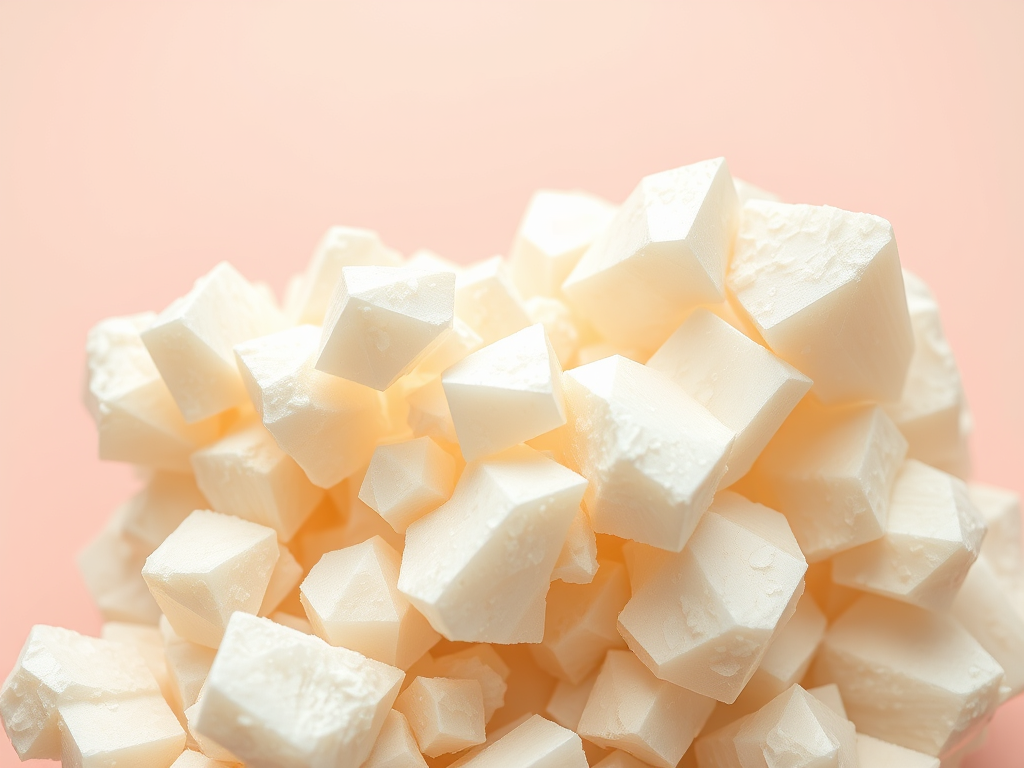
More than 60 percent of American laboratory researchers have encountered sudden peptide crystals forming when the conditions are just right. This molecular phenomenon plays a crucial role in scientific breakthroughs, directly impacting sample purity, pharmaceutical development, and experiment stability. Understanding how American scientists manage peptide crystallization can help avoid compromised results and save valuable research. By exploring the science and the real-world challenges behind this process, you discover how to keep your samples ready for success in any lab setting.
Table of Contents
Quick Summary
| Takeaway | Explanation |
| 1. Peptide crystallization stabilizes structures | Controlled environmental conditions allow peptides to form stable, solid structures essential for high-precision analysis. |
| 2. Crystal formation indicates peptide purity | Only clean, unblemished peptides can form uniform crystals, serving as a visual quality control tool. |
| 3. Temperature management is crucial during shipping | Fluctuations in temperature during transport can lead to unexpected crystallization or structural changes in peptides. |
| 4. Water quality affects solubility and crystallization | Impure water can disrupt molecular interactions, causing unwanted crystallization and impacting research results. |
| 5. Monitor crystal formations for research integrity | Distinguishing between normal and problematic crystals is vital to maintain the integrity of research samples. |
1. What Is Peptide Crystallization? The Science Explained
Peptide crystallization is like the molecular world’s magical deep freeze where liquid solutions transform into structured solid formations. Think of it as molecules playing an intricate geometric puzzle game, aligning themselves into precise, repeatable patterns.
At its core, peptide crystallization involves molecules organizing themselves into a regular, three-dimensional array held together by specific molecular interactions. These crystal formations happen when peptide molecules find the perfect environmental conditions to stack and connect in ultra-precise arrangements. Peptide crystallization allows researchers to stabilize molecular structures through carefully controlled conditions, enabling groundbreaking scientific investigations.
The process is heavily influenced by environmental factors like pH levels, temperature, and ionic strength. When these conditions align just right, peptide molecules stop their random dance and snap into a rigid, ordered formation that looks almost frozen in time. This transformation isn’t just visually interesting scientific researchers can use crystallization to:
Analyze molecular structure with unprecedented precision
Create stable research formulations
Enable advanced pharmaceutical development techniques
Practically speaking, crystallization offers significant advantages in scientific research by providing peptide stability and enabling high concentration doses, which means scientists can work with more concentrated, stable molecular samples without increasing solution viscosity.
The alien-like precision of peptide crystallization represents a quantum leap in understanding molecular behavior, transforming seemingly chaotic liquid environments into ordered, predictable scientific landscapes.
2. Why Clean Peptides Form Crystals—A Purity Signal
Peptide crystallization is like a molecular purity test showing researchers exactly how pristine their compounds truly are. Think of it as nature’s quality control mechanism where only the cleanest peptides get to form those mesmerizing crystalline structures.
In the world of research, crystal formation serves as a powerful biochemical integrity indicator. When peptides are exceptionally pure and free from contaminants, their molecular interactions become so precise that they can align into stunning geometric patterns. Peptide quality control becomes a critical process for ensuring research grade materials, and crystal formation represents one of the most elegant validation techniques.
The science behind crystal formation is fascinating. Imagine peptide molecules as microscopic building blocks that only snap together perfectly when they are uniform and unblemished. Impurities disrupt this delicate alignment process much like a misshapen puzzle piece prevents a complete picture from forming. Pure peptides demonstrate their molecular perfection by creating:
Uniform crystalline structures
Consistent geometric arrangements
Predictable molecular interactions
Reproducible scientific results
Researchers can essentially use crystal formation as a visual diagnostic tool. A clean peptide will transform from a liquid solution into a structured solid with mathematical precision transparent evidence of its exceptional quality. The more perfect the crystal the higher the purity the more reliable the scientific investigation.
This molecular magic show reveals something profound about scientific rigor crystal formation is not just a phenomenon its a testament to molecular excellence.
3. How Shipping Temps Cause Instant ‘Freeze’ Effects
Imagine peptides as molecular prima donnas that throw a complete tantrum when exposed to temperature drama during shipping. These ultra sensitive compounds can transform from smooth liquids to frozen landscapes faster than you can say molecular mayhem.
Managing temperature during transportation becomes crucial for preventing unexpected peptide transformations, as temperature fluctuations trigger some seriously wild molecular behavior. The shipping environment acts like a molecular roller coaster, causing peptides to potentially gel, aggregate, or crystallize without warning.
The science behind this phenomenon is fascinating. Peptides are essentially protein cousins that respond dramatically to environmental stress. Temperature shock can cause instant molecular realignment, turning liquid solutions into seemingly frozen structures through a process that looks like scientific magic. These sudden crystallization events are not random but precise molecular responses to external conditions.
Researchers need to understand that peptides have a high risk of unexpected transformations during transport, which can significantly impact research outcomes. The crystallization process triggered by shipping temperatures can result in:
Unexpected molecular structural changes
Potential loss of research sample integrity
Unpredictable aggregation patterns
Reduced compound stability
The key takeaway? Peptides are not just chemicals. They are complex molecular systems that respond to environmental conditions with scientific precision. Shipping them is less about transportation and more about creating a controlled molecular sanctuary.
4. Mixing Mistakes: Water Quality and Solubility Secrets
Water might look crystal clear to the naked eye, but in the molecular world, it can be a total minefield of potential research disasters. Welcome to the hidden complexity of solvent selection where every droplet can make or break your peptide research.
Water quality dramatically impacts peptide solubility and crystallization processes, transforming what seems like a simple mixing task into a high stakes molecular chess game. Impurities invisible to the human eye can trigger unexpected crystallization events that completely derail research precision.
The molecular drama unfolds at microscopic scales. Trace contaminants act like uninvited guests at a molecular party, disrupting the delicate interactions between peptide molecules and solvents. These microscopic troublemakers can cause peptides to gel, aggregate, or crystallize in ways that make researchers want to pull their hair out.
Peptide preparation requires meticulous solvent control to prevent potential research complications, which means researchers must become solvent sommeliers. The right water quality can mean the difference between pristine research results and a total molecular meltdown.
Here are the key factors that turn water from a simple solvent into a potential research wildcard:
Mineral content and ionic impurities
pH level variations
Microbial contamination potential
Organic compound presence
Trace metal concentrations
Research is all about control. And in the world of peptide crystallization, your solvent is either your greatest ally or your most unpredictable variable. Choose wisely, measure carefully, and treat every drop like the molecular ecosystem it truly is.
5. Shaking vs. Warming: How to Redissolve Safely
Resolving crystallized peptides is like performing molecular surgery with the precision of a master chef. One wrong move and your entire research sample could turn into a useless molecular brick.
Temperature management during peptide redissolution requires extraordinary care and precision, as peptides are notorious molecular drama queens that react dramatically to environmental changes. The wrong technique can transform your carefully prepared compound from pristine research material into a degraded mess.
Molecular rehabilitation strategies are critical for bringing crystallized peptides back to life. Shaking and warming represent two different approaches to solving the same problem, each with its own risks and rewards. Peptides present unique challenges due to their structural complexity and sensitivity to environmental conditions, making the redissolution process more art than science.
Here are the key considerations for safely redissolving peptide crystals:
Use gentle warming techniques (37 to 40 degrees Celsius maximum)
Avoid aggressive mechanical shaking
Implement gradual temperature increases
Use minimal solvent volume
Monitor visual clarity during redissolution
Research is about precision. Treat your peptide like a temperamental molecular artist that requires patience, respect, and just the right amount of coaxing to return to its original brilliance.
6. Preventing Future Crystals in Research Vials
Peptide crystals are like uninvited molecular guests that can crash your entire research party without warning. Understanding how to keep these microscopic troublemakers at bay is crucial for maintaining research integrity.
Peptide crystallization prevention requires a strategic approach to storage and handling, transforming your research environment from a potential crystal zone into a stable molecular sanctuary. These compounds are molecular drama queens with complex structural personalities that demand precise care.
The key to preventing unexpected crystallization lies in understanding the molecular environment and its delicate balance. Consistent temperature management plays a critical role in maintaining peptide solution stability, essentially acting as a molecular bouncer that keeps unwanted crystal formations from forming.
Researchers can implement several strategic prevention techniques:
Maintain consistent storage temperatures
Use high purity solvents
Minimize exposure to temperature fluctuations
Store in dark glass containers
Implement controlled humidity environments
Avoid repeated freeze thaw cycles
Use protective gas environments
Think of peptide storage like protecting a rare artifact. Every environmental factor is a potential threat. Your goal is creating a molecular fortress that keeps your research materials in their pristine liquid state. Precision is not just recommended its mandatory.
7. When to Worry: Red Flags vs. Natural Crystal Clumps
Not all crystal formations are created equal in the molecular research world. Some are scientific gold medals while others are giant red warning flags that scream potential contamination.
Peptide crystallization can be a complex indicator of molecular integrity, requiring researchers to develop a keen eye for distinguishing between normal and problematic crystal formations. Think of it like being a molecular detective where every crystal tells a story about your compound’s health.
Crystal interpretation is an art form that requires careful observation and understanding. Unexpected crystallization patterns may signal deeper issues with formulation or storage conditions, making it crucial to know when a crystal clump is just a quirk versus a potential research disaster.
Here are the key red flags to watch for during crystal formation:
Irregular or asymmetrical crystal shapes
Unexpected color changes in crystals
Sudden formation after long term stability
Multiple crystal types in same vial
Cloudiness or particulate matter
Rapid crystal growth
Unusual texture or consistency
Research is about precision. Treat every crystal like a molecular message waiting to be decoded. Your ability to read these microscopic tea leaves could be the difference between groundbreaking research and a total molecular meltdown.
Below is a comprehensive table summarizing the main concepts, strategies, and challenges related to peptide crystallization as discussed throughout the article.
| Topic | Description | Key Considerations |
| Peptide Crystallization | Process where peptides form a structured solid crystal from a solution. | Influenced by pH, temperature, ionic strength. Enables structural analysis. |
| Purity and Crystals | Pure peptides crystallize easily, indicating high purity. | Impurities disrupt crystal formation, affecting molecular alignment. |
| Shipping Effects | Temperature changes during transport can cause crystallization. | Careful temperature management can prevent unexpected transformations. |
| Water Quality | Solvent impurities can lead to unwanted crystallization. | Ensure high water quality to maintain peptide stability. |
| Redissolution Techniques | Methods to dissolve crystals safely, like gentle warming. | Avoid aggressive shaking; monitor clarity closely. |
| Crystal Prevention | Prevent undesired crystallization in storage. | Control temperature, use pure solvents, avoid freeze-thaw cycles. |
| Crystal Red Flags | Not all crystals are benign; some indicate problems. | Look for irregular shapes, unexpected colors, multiple types, or cloudiness. |
Stop the Molecular Freeze With The No-BS Texas Advantage
Peptide crystallization turns your smooth liquid peptides into rigid, puzzling solids fast — especially when shipping temps wobble or water quality trips up your solubility. The last thing you want is unpredictable crystal clumps crashing your research party. What you need is ultra-pure, rigorously tested peptides that come ready for prime time and ship lightning-fast from right here in Texas.
At Area 15 Labs, we get the molecular stakes are high. That means serious purity verification, controlled packaging, and Texas-based same-day fulfillment so your compounds arrive stable and ready to innovate. No sketchy overseas delays, no guesswork on quality, just the raw research power with zero hassle. Dive deeper into how we redefine peptide reliability with our quality assurance protocols and explore our lineup of cutting-edge compounds engineered for the modern researcher.
Don’t let mysterious crystallization stall your breakthroughs. Choose the “No-BS” lab partner that turns peptide puzzles into clear research wins. Explore our offerings now at Area 15 Labs and experience research with speed, swag, and confidence.
Frequently Asked Questions
What is peptide crystallization?
Peptide crystallization is the process where peptide molecules form structured solid formations from liquid solutions. To understand it better, visualize molecules aligning themselves into precise geometric patterns under specific environmental conditions.
Why is purity important for peptide crystallization?
Purity is crucial because only exceptionally clean peptides can form high-quality crystals. This indicates true molecular integrity, which leads to more reliable research results.
How do shipping temperatures affect peptide crystallization?
Shipping temperatures can cause unexpected crystallization or changes in peptide structures due to temperature fluctuations. To prevent adverse effects, ensure a controlled temperature environment during transport by using adequate insulation.
What role does water quality play in peptide crystallization?
Water quality significantly impacts peptide solubility and crystallization processes, as impurities can lead to unexpected crystallization events. Use high-purity water and minimize contaminants to maintain research precision in peptide preparation.
How can crystallized peptides be safely redissolved?
Crystallized peptides can be safely redissolved using gentle warming techniques, with maximum temperatures between 37 to 40 degrees Celsius. Gradually increase the temperature to avoid damaging the molecules and monitor clarity during the process.
What steps can I take to prevent unwanted crystallization in research vials?
To prevent unwanted crystallization, maintain consistent storage temperatures and use high-purity solvents. Implement strategies such as minimizing exposure to temperature fluctuations and avoiding repeated freeze-thaw cycles.