

Over 60 percent of American laboratories routinely rely on lyophilized powder to preserve sensitive compounds for research. Precision in preparing and handling these specialized vials directly affects scientific outcomes, yet many researchers are uncertain about how appearance and consistency can shift during transport. Gaining insight into lyophilized powder behavior helps demystify common concerns and supports rigorous, reliable results in demanding laboratory environments.
Table of Contents
- Lyophilized Powder In Research Vials Explained
- What Causes Solid Pucks Vs. Loose Powder
- When Loose Powder Is Completely Normal
- Red Flags: Signs Of Real Contamination
- Best Practices For Safe, Reliable Research
Key Takeaways
| Point | Details |
|---|---|
| Understanding Lyophilized Powder | Lyophilized powder is a freeze-dried substance that maintains chemical stability and extends shelf life, crucial for research integrity. |
| Common Variations in Appearance | Both solid pucks and loose powders are normal outcomes of lyophilization, influenced by formulation and drying parameters. |
| Signs of Contamination | Researchers should monitor for specific red flags such as color changes or visible moisture, indicating potential contamination. |
| Best Handling Practices | Implement strict environmental controls and utilize sterile techniques to minimize contamination risks during storage and reconstitution. |
Lyophilized Powder in Research Vials Explained
When diving into laboratory research, lyophilized powder represents a critical component that often triggers confusion among researchers. These delicate, freeze-dried substances are essentially dehydrated compounds carefully preserved in vials to maintain chemical stability and extend shelf life. Understanding their unique characteristics becomes paramount for maintaining research integrity.
The lyophilization process involves freezing a substance and then reducing the surrounding pressure to allow the frozen water to sublimate directly from solid to gas. This intricate technique prevents potential degradation during product storage, creating a stable powder that can be reconstituted precisely when needed. The resulting powder often appears loose or slightly shifted within the vial – a normal occurrence that frequently triggers unnecessary researcher panic.
Researchers must recognize that slight powder movement or uneven distribution is standard in lyophilized vials. Factors like temperature variations, handling, and shipping can cause powder displacement without compromising the compound’s research quality. The key is understanding that these visual variations do not indicate product defects but represent expected physical behaviors of freeze-dried substances.
Pro Tip for Researchers: Always inspect lyophilized powder vials under consistent lighting and avoid excessive manipulation. Gentle, controlled reconstitution techniques will help maintain the powder’s integrity and ensure accurate research outcomes.
What Causes Solid Pucks vs. Loose Powder
In laboratory research, the formation of lyophilized products can manifest in two distinct physical states: a compact solid puck or a loose, granular powder. These variations are not random but result from intricate scientific processes deeply rooted in formulation chemistry and freeze-drying techniques. Specific microstructural characteristics during the lyophilization process play a crucial role in determining the final product’s physical appearance and structural integrity.
Multiple factors influence whether a lyophilized substance forms a solid puck or remains a loose powder. Formulation composition emerges as a critical determinant, with salt concentrations and protein levels significantly impacting the final product’s structure. High salt concentrations and low protein content can create challenges in producing uniform lyophilized materials, potentially leading to inconsistent powder formations that deviate from the expected solid cake structure.
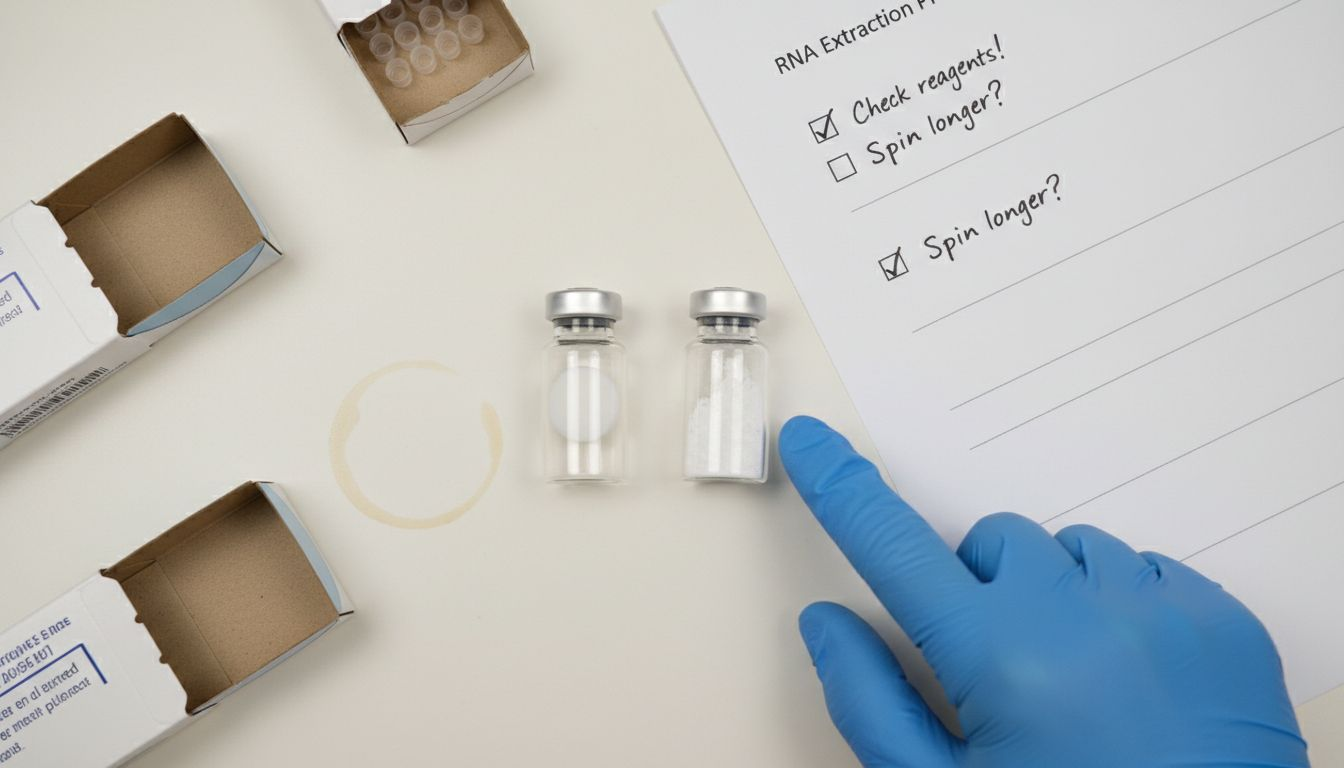
Drying parameters represent another fundamental factor in determining the final product’s physical state. Temperature, pressure, and duration during the primary drying phase can dramatically alter the lyophilized substance’s microstructure. Researchers must carefully calibrate these environmental conditions to achieve the desired powder consistency, recognizing that slight variations can transform a potential solid puck into a loose, granular material.
Pro Tip for Lab Technicians: Monitor and document precise drying parameters during lyophilization, including temperature gradients and pressure settings. Consistent documentation allows for reproducible results and helps identify the specific conditions that generate your desired powder structure.
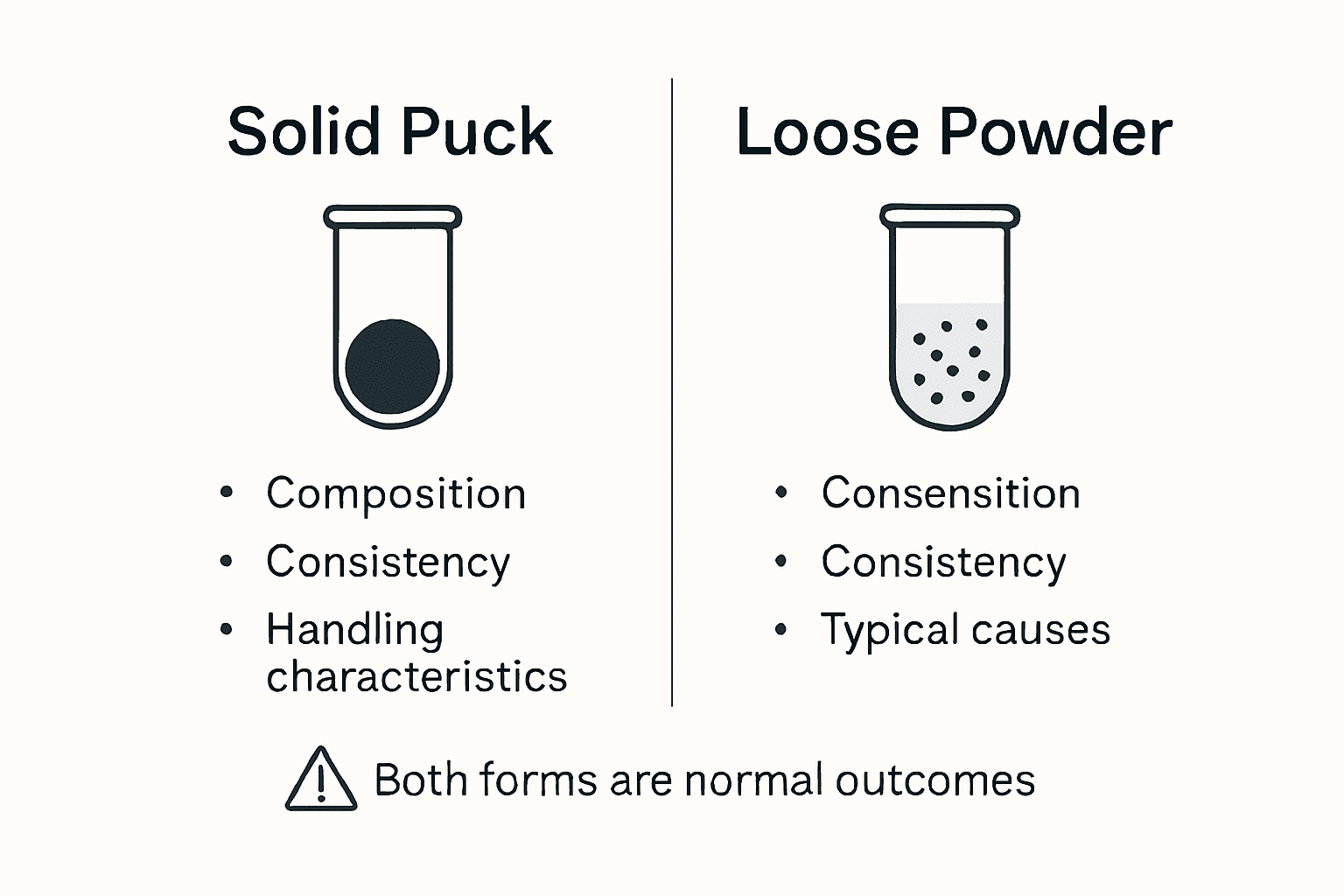
Here’s a quick comparison of solid puck versus loose powder forms in lyophilized products:
| Attribute | Solid Puck | Loose Powder |
|---|---|---|
| Appearance | Compact, cake-like | Granular, free-moving |
| Common Causes | High protein, slow drying | Temperature shifts, handling |
| Impact on Quality | Stable, intact structure | Equally stable if uncolored |
| Handling Consideration | Minimal dispersion | May shift during shipping |
When Loose Powder Is Completely Normal
Researchers often experience unnecessary anxiety when encountering loose lyophilized powder, but this is frequently a standard occurrence in laboratory settings. Cosmetic variations in lyophilized product appearance do not necessarily indicate product compromise, and understanding these nuanced physical transformations is crucial for maintaining research confidence.
Several environmental factors contribute to powder looseness that are entirely expected during the lyophilization process. Temperature fluctuations during shipping, minor vibrations, and handling can cause powder displacement without affecting the compound’s fundamental chemical integrity. These movements represent natural physical responses to environmental interactions and should not trigger immediate concerns about product quality or research viability.
The lyophilization technique inherently produces materials with varying structural characteristics. Powder consistency can range from tightly compacted cakes to more granular, loose formations – both of which remain scientifically valid. Researchers must recognize that visual differences do not automatically signify contamination or degradation. The key is to assess the powder’s overall appearance, checking for any significant discoloration, unexpected clumping, or signs of moisture intrusion that might genuinely compromise the research material.
Pro Tip for Researchers: Conduct a visual inspection under consistent lighting conditions, focusing on overall powder appearance rather than minor structural variations. Document any observed changes systematically to track potential long-term storage effects.
Red Flags: Signs of Real Contamination
While minor powder variations are typical, researchers must remain vigilant about genuine signs of contamination that could compromise research integrity. Container closure integrity represents a critical factor in identifying potential product compromises, requiring careful and systematic evaluation of lyophilized materials.
Several definitive red flags can indicate serious contamination beyond normal powder variations. Unexpected color changes – such as yellowing, dark spots, or unusual discoloration – should immediately trigger concern. Visible moisture inside the vial, crystal formations that differ from the original lyophilization structure, or any evidence of mold growth represent unambiguous signals that the research material may have been compromised. Structural anomalies in the lyophilization process can fundamentally alter product reliability, making careful visual inspection crucial.
Additionally, researchers should pay close attention to unexpected texture transformations. A powdery substance that appears clumpy, shows signs of significant aggregation, or demonstrates an oily or greasy consistency differs markedly from normal lyophilized powder characteristics. These physical changes often indicate chemical degradation or potential microbial contamination that extends beyond standard shipping or handling variations.
Pro Tip for Lab Safety: Implement a standardized rejection protocol that defines clear, objective criteria for identifying contaminated lyophilized products. Create a visual reference guide with photographic examples of acceptable versus compromised powder appearances to support consistent quality assessment.
Use this reference to recognize potential contamination in lyophilized vials:
| Warning Sign | Possible Cause | Recommended Action |
|---|---|---|
| Color Change | Chemical degradation | Discard vial, investigate |
| Visible Moisture | Seal breach, condensation | Do not use, check storage |
| Unexpected Texture | Microbial or chemical change | Isolate and test further |
| Mold Growth | Microbial contamination | Quarantine, discard safely |
Best Practices for Safe, Reliable Research
Ensuring the highest standards of research integrity requires a systematic approach to handling lyophilized powder materials. Optimizing product storage and handling techniques can significantly minimize potential contamination risks, making careful protocol development essential for maintaining research quality.
Researchers should implement a comprehensive quality control framework that addresses multiple stages of material management. This includes establishing strict environmental controls during storage – maintaining consistent temperature, protecting vials from direct light exposure, and preventing unnecessary physical manipulation. Proper documentation becomes critical, with researchers tracking each vial’s history, including shipping conditions, storage duration, and any observed variations in powder appearance.
A robust research protocol demands meticulous handling techniques. Always use clean, sterile equipment when interacting with lyophilized materials. Work in a controlled environment with minimal air currents, and consider using laminar flow hoods to reduce potential contamination risks. When reconstituting powders, follow precise techniques that minimize exposure and maintain the compound’s structural integrity. Implementing a rigorous peptide research protocol can dramatically improve the reliability of scientific investigations.
Pro Tip for Lab Excellence: Create a standardized inspection checklist for lyophilized powder assessment, including specific criteria for acceptable powder appearance, storage conditions, and handling procedures. Regular training and protocol reviews will help maintain consistently high research standards.
Stop Panicking Over Loose Lyophilized Powder Get the No-BS Research Partner You Deserve
If you have ever opened a vial and seen loose lyophilized powder and instantly worried about contamination or product quality this article clears the fog. Understanding that loose powder and puck formation are often normal outcomes of the freeze-drying process helps researchers avoid unnecessary setbacks. But knowing the science does not stop the need for reliable, pure materials delivered fast and hassle-free. That is where Area 15 Labs steps in as the ultimate Texas-based solution for Citizen Scientists who want verified, high-purity compounds shipped lightning fast.
Say goodbye to overseas delays and confusing appearances with our strict quality assurance and radical transparency. We combine rigorous third-party testing with zero fluff and a viral alien aesthetic that makes research exciting not boring. Whether you are inspecting powder structure or demanding rapid fulfillment for your latest study you deserve a partner who gets it. Explore how our Quality First Promise and alien-tech next-gen stacks can power your lab with confidence today.
Stop stressing about what the powder looks like and start researching smarter with the “No-BS” brand that ships from Texas same-day every weekday. Visit Area 15 Labs now and upgrade your research swag with pure science and zero drama.
Frequently Asked Questions
What is lyophilized powder?
Lyophilized powder is a freeze-dried substance that has been dehydrated and preserved in vials to maintain chemical stability and extend shelf life.
Why is my lyophilized powder loose instead of in a solid puck form?
Loose powder is normal and can occur due to factors like temperature variations or handling during the shipping process. It does not indicate product degradation.
What should I look for to identify contamination in lyophilized powder?
Watch for signs such as unexpected color changes, visible moisture inside the vial, and clumping or unusual textures. These can signal contamination or chemical degradation.
How should I handle and store lyophilized powder for optimal results?
Store lyophilized powder in a cool, dark place, avoiding excess movement. Use clean and sterile equipment during reconstitution, and document storage conditions and handling to maintain research integrity.