

Over 60 percent of American adults find it difficult to stick with long, traditional gym routines. The typical commitment often leads to frustration or dropped goals, especially in busy lives. Exercise snacking changes the game with short, effective movement bursts that fit almost any schedule. This approach reveals how quick activity sessions can fuel better fitness, making it easier to stay consistent and see real health benefits without a major time investment.
Table of Contents
- Exercise Snacking Protocol Explained
- Types Of Peptides Used In Research
- Mechanisms Behind Micro-Dosing Peptides
- Research Outcomes And Real-World Examples
- Risks, Myths, And Critical Missteps
- Legal And Ethical Frameworks For Labs
Key Takeaways
| Point | Details |
|---|---|
| Exercise Snacking Flexibility | Exercise snacking allows individuals to integrate short bursts of physical activity into their daily routines without the need for specialized equipment. |
| High Adherence Rate | The accessible nature of exercise snacking results in high adherence rates, making it easier to maintain consistent physical activity. |
| Peptide Research Diversity | Various types of peptides, such as signaling and therapeutic peptides, offer unique research opportunities and insights into cellular mechanisms. |
| Legal and Ethical Standards | Adhering to ethical and legal frameworks in research is crucial for maintaining integrity and ensuring participant safety. |
Exercise Snacking Protocol Explained
Researchers have uncovered a groundbreaking approach to fitness that transforms how we think about movement: exercise snacking. Unlike traditional workout regimens that demand long gym sessions, this innovative protocol breaks physical activity into bite-sized, manageable segments throughout the day.
Exercise snacking involves brief, high-intensity physical activities lasting around two minutes, strategically integrated into daily routines. Think of these as quick fitness interventions that can be performed anywhere – whether you’re at home, in the office, or traveling. The core philosophy is simple: consistent, short bursts of movement can significantly enhance cardiovascular health, muscle strength, and overall physical performance.
The protocol typically follows a structured approach developed by exercise scientists. According to research from the University of Bath, exercise snacking consists of short exercise bouts performed twice daily, each lasting approximately five minutes with brief rest intervals. These micro-workouts might include basic movements like:
- Sit-to-stand repetitions
- Knee bends
- Stair climbing
- Wall pushups
- Brief jumping jacks
The beauty of exercise snacking lies in its accessibility and flexibility. No specialized equipment is required, making it perfect for individuals with busy schedules or limited fitness experience. By breaking exercise into smaller, more manageable chunks, people are more likely to maintain consistency and see long-term health benefits.
Pro Tip for Fitness Integration: Start by identifying 2-3 natural transition moments in your daily routine where you can easily insert a 2-minute movement burst, such as after waking up, during a work break, or before dinner preparation.
Here’s how exercise snacking compares to traditional workouts:
| Aspect | Exercise Snacking | Traditional Workouts |
|---|---|---|
| Time Commitment | Several 2-5 minute sessions | 30-60 minute sessions |
| Required Equipment | None needed | Often required |
| Accessibility | Anywhere, anytime | Typically gym-based |
| Adherence Rate | High due to flexibility | Often lower, needs scheduling |
Types of Peptides Used in Research
Peptide research represents a cutting-edge frontier in scientific exploration, with various molecular structures offering unique insights into biological mechanisms. Peptides 101 provides a foundational understanding of these complex molecular compounds that serve as critical tools in laboratory investigations.
Researchers typically categorize peptides into several primary research classifications based on their structural characteristics and potential investigative applications:
- Signaling Peptides: Molecules that facilitate cellular communication
- Structural Peptides: Compounds involved in maintaining cellular architecture
- Hormonal Peptides: Molecules that regulate physiological processes
- Therapeutic Research Peptides: Compounds explored for potential molecular interactions
- Synthetic Peptides: Artificially constructed molecular sequences
Within laboratory settings, bioactive peptides emerge as particularly fascinating research subjects. These specialized molecular structures can trigger specific cellular responses, making them invaluable for understanding complex biological pathways. Advanced peptide manufacturing techniques enable researchers to synthesize increasingly precise molecular configurations for targeted investigations.
Each peptide type offers unique research potential, with scientists carefully selecting molecular structures based on specific investigative objectives. The intricate world of peptide research continues to unlock profound insights into cellular mechanics, potentially revolutionizing our understanding of biological systems at the molecular level.
Pro Tip for Research Protocol: Always verify peptide purity and molecular integrity through multiple independent testing methods before incorporating them into advanced research protocols.
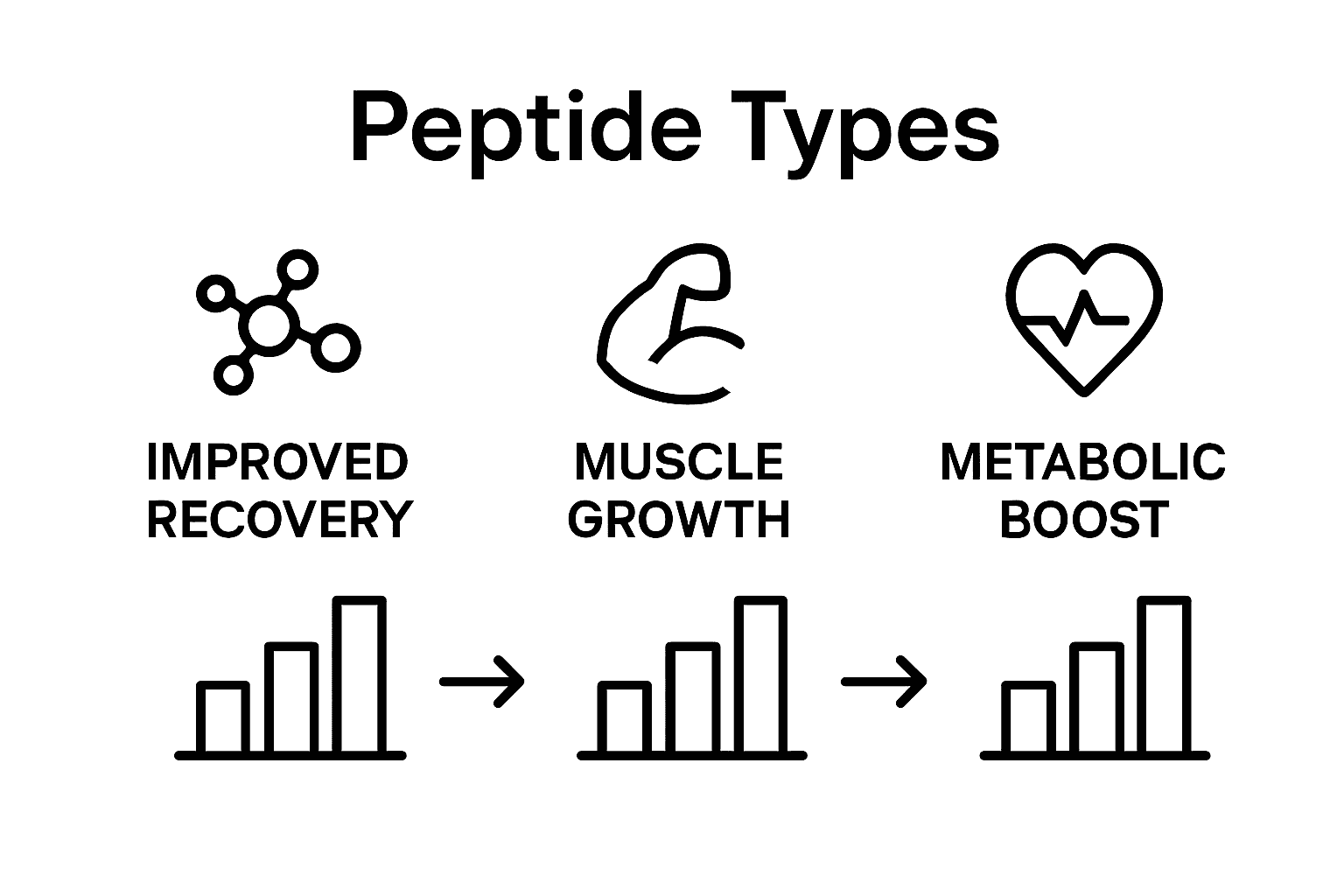
This table summarizes the primary peptide categories used in research:
| Peptide Type | Core Function | Example Research Application |
|---|---|---|
| Signaling | Cellular communication | Studying hormone pathways |
| Structural | Building cellular frameworks | Tissue engineering demos |
| Hormonal | Regulate body processes | Endocrinology studies |
| Therapeutic | Investigate molecular effects | Drug discovery testing |
| Synthetic | Custom-designed molecules | Targeted therapy prototypes |
Mechanisms Behind Micro-Dosing Peptides
Understanding the intricate molecular mechanisms of peptide micro-dosing requires a deep dive into cellular signaling and biochemical interactions. Peptide definition and function reveal how these microscopic molecular messengers can trigger complex cellular responses with minimal intervention.
At the core of micro-dosing mechanisms are several critical biological pathways:
- Receptor Modulation: Peptides interact with specific cellular receptors
- Signal Transduction: Molecular triggers that activate cellular communication
- Genetic Expression Regulation: Subtle influences on gene activation
- Cellular Signaling Cascades: Precise molecular communication networks
- Enzymatic Pathway Interactions: Targeted molecular interventions
Researchers have discovered that minute peptide quantities can produce significant molecular responses. Peptide stacking research demonstrates how strategic molecular combinations can amplify research potential, creating sophisticated interaction maps that reveal intricate biological processes.
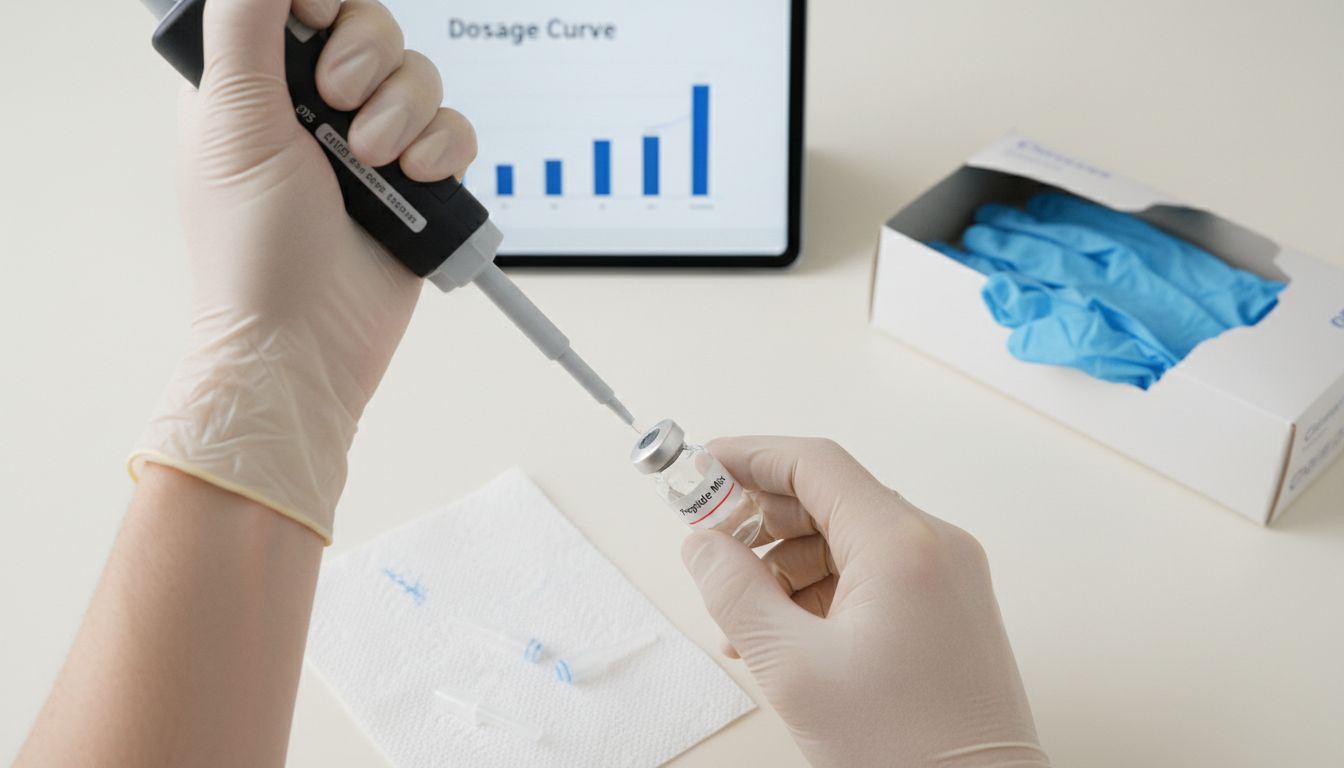
The precision of micro-dosing relies on understanding molecular concentration gradients and receptor sensitivity. Each peptide presents a unique molecular signature, capable of generating nuanced cellular responses that traditional research approaches might overlook. This approach represents a quantum leap in understanding complex biological systems at their most fundamental level.
Pro Tip for Molecular Investigation: Always document detailed molecular interaction observations and maintain rigorous control parameters when exploring micro-dosing research protocols.
Research Outcomes and Real-World Examples
Emergent research demonstrates profound insights into exercise snacking strategies that challenge traditional workout paradigms. Clinical studies from Cleveland Clinic reveal significant improvements in cardiovascular function through strategic micro-movement interventions.
Researchers have documented compelling real-world outcomes across multiple domains:
- Professional Productivity: Increased mental clarity and reduced sedentary time
- Metabolic Performance: Enhanced energy expenditure without extended gym sessions
- Neurological Responses: Improved cognitive function through intermittent movement
- Physiological Adaptations: Accelerated muscular responsiveness
- Time Management: Efficient physical conditioning within minimal time frames
University of Bath research demonstrates that simple movements like sit-to-stands and knee bends can dramatically transform sedentary lifestyle patterns. These micro-interventions represent a paradigm shift in understanding human physiological potential, proving that quality of movement often trumps quantity.
The most striking revelations emerge from longitudinal studies tracking individuals who incorporated consistent exercise snacking protocols. These subjects demonstrated remarkable improvements in overall physical resilience, metabolic efficiency, and sustainable energy levels without requiring significant lifestyle disruptions.
Pro Tip for Strategic Movement: Design personalized exercise snacking sequences that align with your natural daily rhythm, targeting moments of potential inactivity for maximum physiological engagement.
Risks, Myths, and Critical Missteps
Navigating the landscape of exercise snacking requires a nuanced understanding of potential pitfalls and misconceptions. University of Bath research highlights critical safety considerations that researchers and practitioners must carefully evaluate before implementation.
Common myths that can derail effective exercise snacking strategies include:
- Intensity Misconception: Believing all movements must be high-energy
- Duration Fallacy: Thinking short bursts are ineffective
- Equipment Dependency: Assuming specialized gear is necessary
- Uniform Approach: Expecting identical results across all individuals
- Overcompensation Risk: Trying to compress full workouts into micro-sessions
Cleveland Clinic studies debunk the persistent myth that only prolonged exercise sessions deliver meaningful health benefits. In reality, strategic micro-movements can produce significant physiological adaptations when performed consistently and with proper technique.
Critical missteps often emerge from two primary sources: improper form and unrealistic expectations. Researchers must approach exercise snacking with a measured, methodical perspective, understanding that individual variability plays a crucial role in outcome potential. Potential risks include momentary balance disruptions, especially for individuals with limited mobility, making careful progression and environmental awareness paramount.
Pro Tip for Safe Implementation: Always perform initial movements near a stable support structure and progress gradually, listening to your body’s unique response signals.
Legal and Ethical Frameworks for Labs
Navigating the complex terrain of laboratory research demands rigorous adherence to ethical standards that protect scientific integrity and human welfare. Global ethical guidelines from the World Health Organization establish critical frameworks for responsible scientific investigation.
Key ethical considerations for laboratory environments include:
- Transparency: Complete documentation of research methodologies
- Consent: Rigorous protocols for sample collection and usage
- Confidentiality: Protecting research subject and institutional data
- Integrity: Preventing data manipulation or fraudulent reporting
- Risk Mitigation: Comprehensive safety protocols for experimental procedures
Area 15 Labs’ commitment to quality assurance underscores the importance of implementing robust ethical frameworks that transcend minimal compliance requirements. Modern research demands a holistic approach that balances scientific curiosity with responsible conduct.
Legal frameworks surrounding laboratory research continue to evolve, reflecting increasingly sophisticated understanding of molecular science and potential research implications. Researchers must remain adaptable, continuously updating their protocols to align with emerging regulatory standards and ethical best practices.
Pro Tip for Ethical Research: Develop a comprehensive documentation system that tracks every stage of your research process, ensuring transparent and reproducible scientific investigation.
Elevate Your Research Game with Cutting-Edge Exercise Snacking and Peptide Solutions
The article highlights the power of the exercise snacking protocol as a strategic way to integrate short bursts of movement that can transform research on micro-dosing peptides and physiological outcomes. If your goal is to unlock consistent, precise molecular insights while overcoming common challenges like limited time, inconsistent protocols, or confusing methods, Area 15 Labs is your Texas-based research command center built for exactly that mission. We deliver high-purity peptides and lab materials designed to fuel experiments on advanced micro-dosing techniques and molecular mechanisms without the usual shipping delays or sketchy sourcing.
Join the frontier of modern research by accessing rigorously tested peptides like our exclusive blends for metabolic and regenerative studies. Whether you focus on the bioactive peptides shaping cellular signaling or pushing the boundaries of micro-dosing stacks, our lightning-fast Texas shipping and no-nonsense approach ensure you get your supplies when it counts. Experience research with swagger and transparency at Area 15 Labs and dive deeper into the next-gen compounds that power strategies like exercise snacking. Ready to level up your lab work with premium tools that match your innovation? Explore our cutting-edge selection and join a community that understands real research demands now.
Discover how to accelerate your protocols today at Area 15 Labs and learn more about our commitment to quality and speed in the Role of Quality Assurance in Research and How Lab Peptides Are Made. Don’t wait for the future of research to come to you. Get ahead with Area 15 Labs—the no-BS choice shipping direct from Texas.
Frequently Asked Questions
What is exercise snacking?
Exercise snacking refers to the practice of incorporating short, high-intensity workouts lasting around two minutes into everyday routines, making it easier to stay active without committing to lengthy gym sessions.
How does exercise snacking improve fitness?
Exercise snacking enhances cardiovascular health, muscle strength, and overall physical performance by breaking workouts into manageable segments, promoting consistency and adherence in physical activity.
Are there specific exercises recommended for exercise snacking?
Yes, common exercises include sit-to-stand repetitions, knee bends, stair climbing, wall pushups, and brief jumping jacks, allowing for effective movement even without equipment.
How can I successfully implement exercise snacking into my daily routine?
Identify 2-3 natural transition moments in your day, such as after waking up or during work breaks, to fit in quick bursts of exercise, ensuring they align with your schedule for better adherence.