
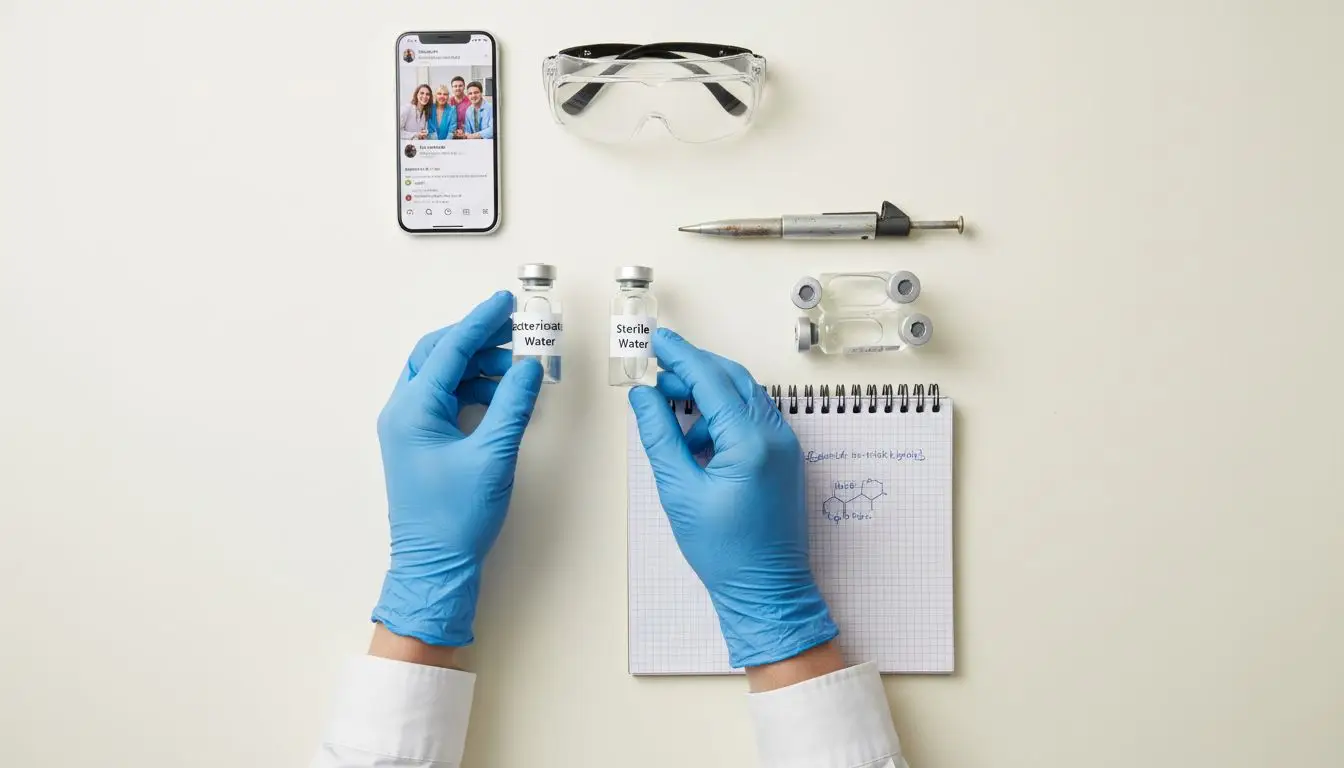
Every American laboratory depends on solutions that guarantee both safety and reliability in research. Bacteriostatic water reduces contamination risk by over 90 percent compared to standard sterile water when proper handling protocols are followed. This distinction is crucial for researchers who need confidence in their sample integrity. Understanding why bacteriostatic water is favored in American scientific settings will help you see its role in everything from repeated vial withdrawals to long-term experimental consistency.
Table of Contents
- What Sets Bacteriostatic Water Apart
- Chemical Properties: Benzyl Alcohol vs. Pure H2O
- Critical Uses in Laboratory Research
- The Hidden Risks: Contamination and Spoilage
- Choosing the Right Water for Vial Stability
Key Takeaways
| Point | Details |
|---|---|
| Bacteriostatic Water Contains Preservative | Bacteriostatic water includes 0.9% benzyl alcohol, allowing for multiple uses without compromising sterility. |
| Versatile Laboratory Use | Ideal for applications requiring repeated access to samples while minimizing contamination risk. |
| Critical Handling Protocols | Researchers must maintain aseptic techniques to prevent contamination during withdrawals and ensure sample integrity. |
| Select Water Based on Research Needs | Choose between bacteriostatic and sterile water based on withdrawal frequency, chemical compatibility, and sample sensitivity. |
What Sets Bacteriostatic Water Apart
In the meticulous world of laboratory research, bacteriostatic water stands apart as a unique solution engineered with precision. Unlike standard sterile water, this specialized liquid contains a critical preservative – benzyl alcohol – which fundamentally transforms its capabilities. Bacteriostatic water includes 0.9% benzyl alcohol, strategically preventing bacterial proliferation, making it significantly more versatile for scientific applications.
The key distinguishing factor is the preservative mechanism. While sterile water is designed for immediate, single-use scenarios, bacteriostatic water allows researchers multiple safe withdrawals from a single vial without compromising sample integrity. The benzyl alcohol concentration acts as a potent bacterial growth inhibitor, creating an environment that remains stable and contamination-resistant across multiple uses.
Researchers appreciate bacteriostatic water for its sophisticated design. The preservative creates a controlled environment that prevents microbial reproduction without destroying existing microorganisms – a subtle but crucial distinction. This makes it ideal for laboratory scenarios requiring repeated access to a single solution while maintaining rigorous sterility standards.
Pro Tip for Precision Research: Always verify the specific concentration of benzyl alcohol in your bacteriostatic water and confirm compatibility with your specific research protocol before initiating any scientific procedure.
Here is a side-by-side comparison of bacteriostatic water and sterile water for laboratory use:
| Attribute | Bacteriostatic Water | Sterile Water |
|---|---|---|
| Additive | Contains 0.9% benzyl alcohol | No additives, pure H2O |
| Use Case | Multi-dose, repeated withdrawals | Single-use, immediate use |
| Contamination Risk | Lower with proper handling | High if reused |
| Sample Stability | Extended over multiple uses | Short-term, single exposure |
| Ideal Applications | Peptide research, microbiology | Procedures demanding purity only |
| Storage Life (After Opening) | Up to 28 days (if stored properly) | Use immediately after opening |
Chemical Properties: Benzyl Alcohol vs. Pure H2O
The chemical composition of bacteriostatic water represents a sophisticated engineering marvel that sets it apart from standard sterile water. At its core, bacteriostatic water contains a precise 0.9% concentration of benzyl alcohol, a critical preservative that transforms the liquid’s fundamental properties. This minute yet powerful additive creates a complex chemical environment that inhibits bacterial growth without completely destroying existing microorganisms.
Benzyl alcohol functions as a remarkable antimicrobial agent through its unique molecular structure. Unlike pure water, which provides a neutral environment for potential bacterial proliferation, this preservative creates a strategic barrier that prevents microbial reproduction while maintaining the water’s core research utility. The chemical interaction occurs at a microscopic level, where the benzyl alcohol molecules interfere with bacterial cell membrane formation and metabolic processes.
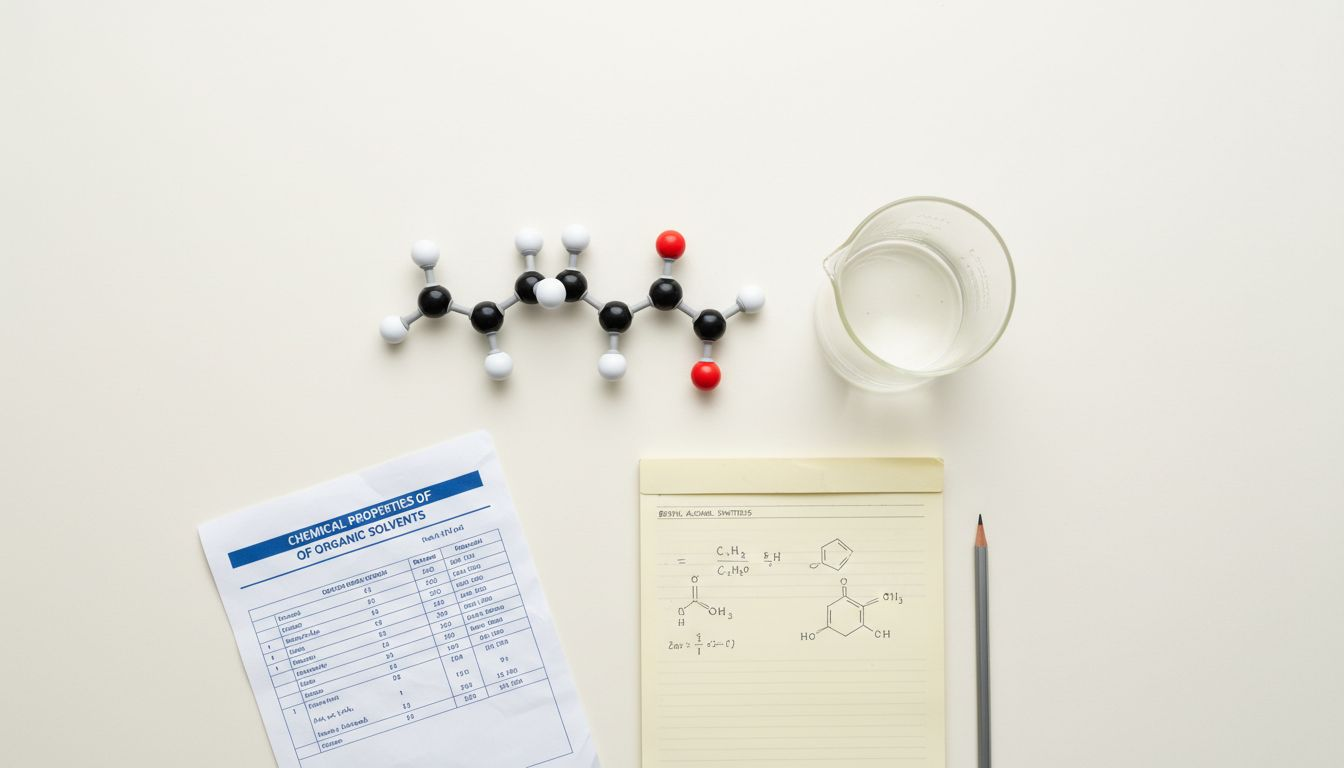
The molecular weight and chemical properties of benzyl alcohol make it an ideal preservative for laboratory applications. Its solubility in water, combined with its low toxicity, allows researchers to maintain sample integrity across multiple uses. Pure water, by contrast, lacks these protective mechanisms and remains vulnerable to contamination, making it suitable only for immediate, single-use scenarios.
Pro Tip for Chemical Precision: Always conduct a preliminary compatibility assessment to ensure the benzyl alcohol concentration does not interfere with the specific molecular interactions critical to your research protocol.
Critical Uses in Laboratory Research
In the precision-driven world of scientific research, bacteriostatic water emerges as a critical tool with nuanced applications across multiple disciplines. Understanding the key principles of peptide research fundamentally transforms laboratory methodologies, and bacteriostatic water plays a pivotal role in maintaining experimental integrity. Researchers rely on its unique preservative properties to ensure consistent sample quality and minimize contamination risks during complex scientific investigations.
The versatility of bacteriostatic water becomes particularly evident in specialized research domains. Peptide production and quality control demand meticulous attention to molecular stability, and the controlled chemical environment provided by bacteriostatic water creates an optimal medium for delicate research procedures. Its ability to prevent bacterial growth while maintaining the chemical composition of sensitive samples makes it indispensable in molecular biology, microbiology, and biochemical research.
Laboratory applications span a wide range of scientific disciplines, from protein studies to advanced molecular synthesis. Researchers value bacteriostatic water for its capacity to support long-term sample preservation, enable multiple precise withdrawals, and provide a stable environment for intricate experimental protocols. The controlled microbial environment allows scientists to conduct extended research without compromising sample integrity, making it a fundamental resource in cutting-edge scientific investigations.
Pro Tip for Research Precision: Always document the specific batch of bacteriostatic water used in your research, including preservative concentration and storage conditions, to ensure complete reproducibility of your scientific findings.
The Hidden Risks: Contamination and Spoilage
Bacteriostatic water’s preservative mechanisms offer critical protection against microbial contamination, but researchers must understand that no solution is entirely foolproof. The presence of benzyl alcohol creates a hostile environment for bacterial growth, yet subtle vulnerabilities can emerge through improper handling or environmental exposure. Even with its advanced preservative properties, bacteriostatic water remains susceptible to potential contamination risks that demand rigorous scientific protocols.
Aseptic techniques are paramount in preventing microbial infiltration during research procedures, particularly when multiple withdrawals are required. The benzyl alcohol concentration provides a protective barrier, but this defense can be compromised by introducing unsterile instruments, exposing the liquid to ambient air for extended periods, or failing to maintain proper storage conditions. Each interaction with the vial represents a potential breach in the carefully constructed microbial defense system.
Researchers must recognize that bacteriostatic water’s preservation capabilities are not infinite. Environmental factors such as temperature fluctuations, direct light exposure, and prolonged storage can gradually diminish the effectiveness of the benzyl alcohol preservative. The molecular integrity of the solution can degrade over time, reducing its capacity to inhibit bacterial growth and potentially compromising the scientific validity of research samples.
Pro Tip for Sterile Technique: Always use dedicated, sterile transfer instruments for each withdrawal and minimize the vial’s exposure to ambient air to maintain the integrity of your bacteriostatic water sample.
Choosing the Right Water for Vial Stability
Selecting the optimal water solution is a critical decision in laboratory research, with vial stability hanging in the delicate balance of preservation and purity. Bacteriostatic water emerges as a sophisticated solution for researchers requiring multiple sample withdrawals, offering a strategic advantage through its preservative mechanism. The benzyl alcohol concentration creates a protective environment that extends the usable lifecycle of research materials, making it an intelligent choice for complex, multi-stage investigations.
The selection process demands a nuanced understanding of research protocols and sample sensitivity. Sterile water presents an ideal option when absolute purity without any additives is paramount, particularly for experiments requiring minimal chemical interference. Conversely, bacteriostatic water provides a robust solution for scenarios demanding repeated access and extended sample integrity, with its carefully engineered preservative system acting as a molecular guardian against potential contamination.
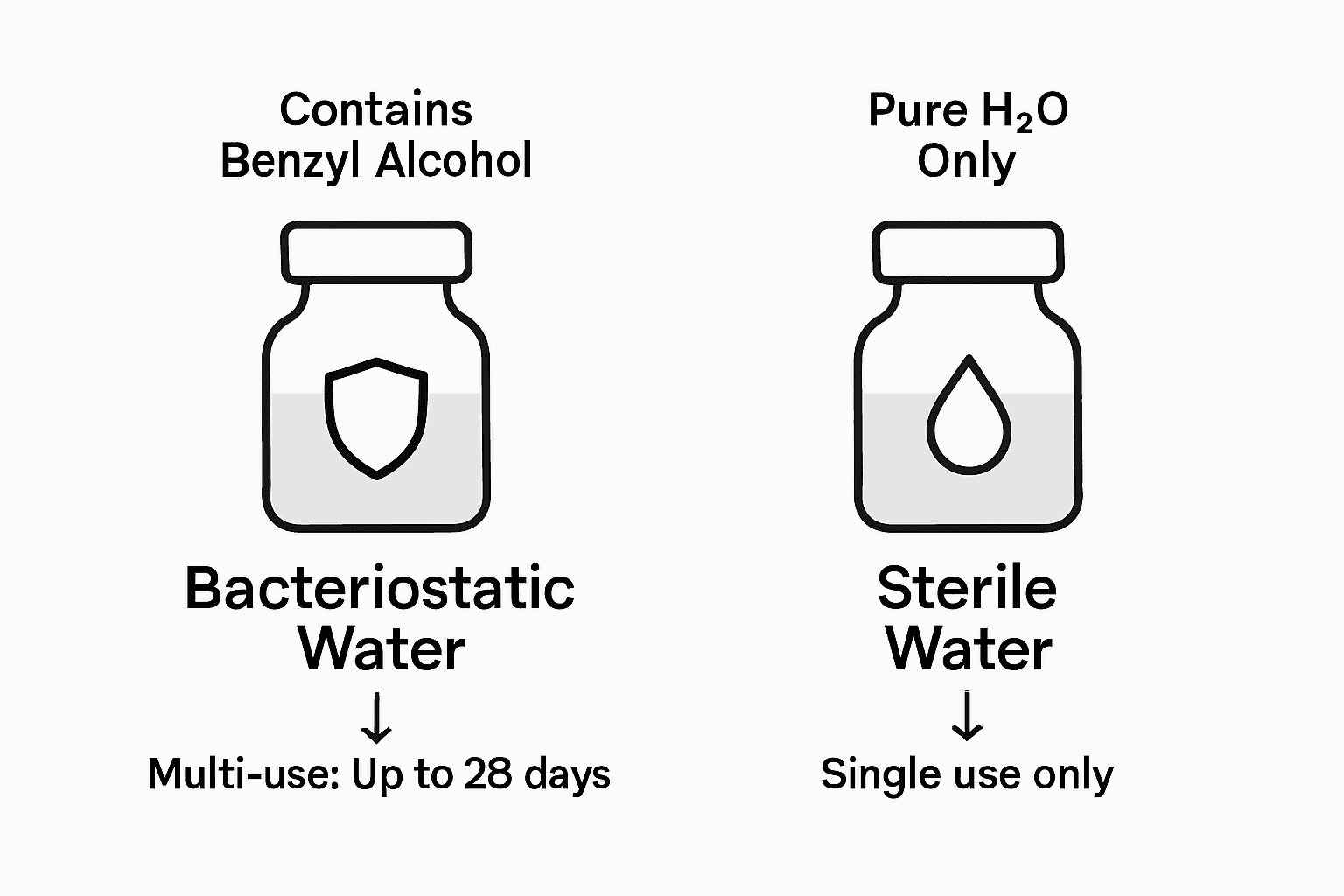
Researchers must evaluate several critical factors when choosing between water types. Environmental conditions, withdrawal frequency, and the specific molecular characteristics of the research compounds play pivotal roles in determining the most appropriate water solution. The preservation mechanisms differ substantially between bacteriostatic and sterile water, with each offering unique advantages that can significantly impact the reliability and reproducibility of scientific investigations.
Pro Tip for Precision Selection: Always match your water type precisely to your research protocol’s specific requirements, considering factors like withdrawal frequency, storage duration, and potential molecular interactions.
Key considerations when selecting water for vial stability are summarized below:
| Factor | Importance for Research | Effect on Choice |
|---|---|---|
| Withdrawal Frequency | Frequent withdrawals favor bacteriostatic water | Determines preservative need |
| Chemical Compatibility | Some protocols need pure H2O | Avoids unwanted reactions |
| Storage Conditions | Poor conditions shorten water lifespan | Affects viability period |
| Sample Sensitivity | Sensitive compounds may need no additives | Limits preservative use |
| Documentation | Ensures reproducibility and accuracy | Tracks batch and conditions |
Elevate Your Lab Game With Precision-Engineered Bacteriostatic Water From Texas
If you are grappling with contamination risks, multiple withdrawals, or maintaining vial stability in your research then you know how critical choosing the right water solution is. This article breaks down the key differences between bacteriostatic water and sterile water highlighting why benzyl alcohol’s preservative power is a game changer for extended sample stability and safe reuse. But speed matters just as much as purity and control.
Welcome to Area 15 Labs where we marry high-purity bacteriostatic water with lightning-fast shipping straight out of Texas. No offshore delays No guesswork No boring pharma vibes. Just research-grade supplies verified by rigorous third-party testing shipped same day from our viral lab command center. We serve the Citizen Scientist ready to research harder with swagger and trust.
✓ Multi-dose vial stability with 0.9% benzyl alcohol additive
✓ Zero hassle verified purity so you focus on science not speculation
✓ Real-time US customer support without the fuss
Don’t settle for ordinary water when your research demands extraordinary reliability. Experience the no-BS choice that lab pros are buzzing about.
Discover why bacteriostatic water is the backbone of peptide and molecular studies in our Research Only Lab Products collection. Ready to ship and ready to rock your next experiment? Visit Area 15 Labs now and secure your edge with the Texas advantage in vial stability and speed.
Research smarter act faster get the best at Area 15 Labs today.
Frequently Asked Questions
What is the main difference between bacteriostatic water and sterile water?
Bacteriostatic water contains 0.9% benzyl alcohol, which prevents bacterial growth and allows multiple withdrawals from a single vial, while sterile water is free of additives and is intended for single-use only.
In what scenarios should I use bacteriostatic water instead of sterile water?
Use bacteriostatic water when you need to perform multiple withdrawals from a vial over time, especially in applications like peptide research and microbiology where maintaining a sterile environment is crucial.
How long can bacteriostatic water be stored after opening?
Bacteriostatic water can be stored for up to 28 days after opening if kept under proper conditions, maintaining its effectiveness in preventing bacterial growth.
Are there specific protocols I should follow when using bacteriostatic water?
Yes, ensure to use aseptic techniques during handling, minimize vial exposure to air, and always verify the concentration of benzyl alcohol to ensure it is compatible with your research requirements.