

Over one million American adults have turned to GLP-1 medications for rapid weight loss, sparking curiosity about unexpected side effects like the now-famous Ozempic Face. This phenomenon highlights how transformed metabolic pathways can reshape not just bodies but facial features in noticeable ways. With researchers diving deep into molecular responses, you will gain insight into what really happens beneath the surface and why these changes offer far more than a cosmetic backstory.
Table of Contents
- Ozempic Face Defined And The Lab Lens
- GLP-1 Compounds: How They Affect Research Subjects
- The Role Of Deep-Freezing And Storage Stability
- Common Myths About Facial Volume Loss
- Lab Protocols To Prevent Degradation And Bias
Key Takeaways
| Point | Details |
|---|---|
| Ozempic Face | Refers to facial volume changes due to rapid fat loss from GLP-1 agonists, highlighting complex metabolic adaptations. |
| Impact of GLP-1 Compounds | These peptides reshape cellular metabolism and have implications beyond weight management, including potential cancer risk reduction. |
| Storage Stability | Deep-freezing is crucial for preserving peptide integrity, with precise conditions necessary to avoid degradation. |
| Myths of Facial Volume Loss | Facial volume loss is a natural response to significant weight loss and not solely tied to medication or interventions. |
Ozempic Face Defined and The Lab Lens
The term ‘Ozempic Face’ represents a fascinating biological phenomenon emerging from rapid metabolic transitions, specifically the facial volume changes associated with dramatic weight loss. When researchers investigate peptide-driven metabolic shifts, they encounter complex physiological adaptations that challenge traditional understanding of body composition.
Scientific observations reveal that ‘Ozempic Face’ manifests through rapid fat loss mechanisms triggered by GLP-1 agonists. Systematic research on peptide interactions demonstrates how these compounds dramatically alter adipose tissue distribution, causing sudden facial volume reduction. This process isn’t merely cosmetic but represents a profound metabolic recalibration at the cellular level.
Understanding the biochemical nuances requires examining how GLP-1 receptor activation impacts fat mobilization. Facial tissue responds differently compared to other body regions, with collagen and elastin structures experiencing accelerated breakdown during rapid weight loss. Researchers note this isn’t exclusive to Ozempic but represents a broader metabolic response to significant caloric restriction and accelerated lipid metabolism.
The lab perspective transforms ‘Ozempic Face’ from a social media buzzword into a complex biological narrative. By analyzing molecular pathways and tracking adipose tissue dynamics, scientific investigation reveals these facial changes as intricate markers of metabolic transformation – not simply an aesthetic concern, but a window into the body’s remarkable adaptive capabilities.
GLP-1 Compounds: How They Affect Research Subjects
GLP-1 compounds represent a groundbreaking class of molecular agents that dramatically transform metabolic research paradigms. Advanced agonist research reveals these peptides can profoundly influence cellular metabolism, demonstrating remarkable potential for understanding systemic physiological adaptations.
Researchers have discovered that GLP-1 analogues produce significant metabolic modifications. Comprehensive studies show these compounds down-regulate lipogenic gene expression during adipocyte differentiation, effectively interrupting traditional fat storage mechanisms. The implications extend far beyond simple weight management, suggesting a sophisticated molecular intervention that reshapes how researchers conceptualize metabolic regulation.
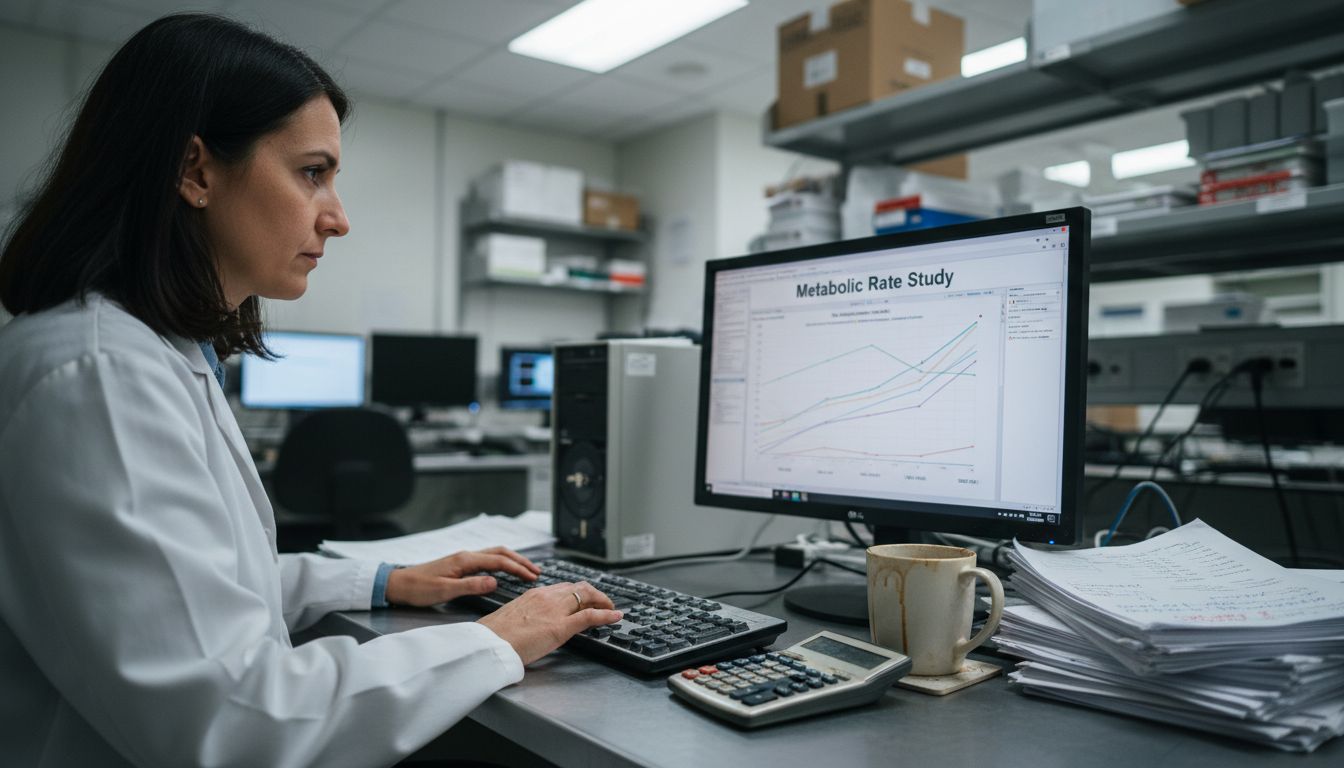
Beyond metabolic restructuring, emerging research indicates broader systemic impacts. Scientific investigations have uncovered potential protective effects, with studies suggesting a 17% reduction in overall cancer risk among high-risk populations exposed to GLP-1 compounds. These findings transform these peptides from mere metabolic tools into potential comprehensive health optimization agents, opening expansive research pathways for understanding complex physiological interactions.
The scientific community continues to explore the nuanced mechanisms of GLP-1 compounds, recognizing them as sophisticated molecular switches capable of triggering cascading metabolic responses. By meticulously tracking cellular signaling pathways, researchers are unraveling how these compounds communicate with complex biological systems, promising unprecedented insights into metabolic plasticity and potential therapeutic interventions.
The Role of Deep-Freezing and Storage Stability
The preservation of peptide compounds demands meticulous environmental control, with deep-freezing emerging as a critical strategy for maintaining molecular integrity. Research on advanced storage protocols reveals intricate challenges in maintaining the structural stability of sensitive molecular agents like GLP-1 compounds.
Deep-freezing represents more than a simple temperature reduction technique. Researchers must navigate complex preservation strategies that protect peptide compounds from degradation. Precise storage conditions become paramount, with temperature fluctuations potentially compromising the molecular structure and functional properties of these sophisticated compounds.
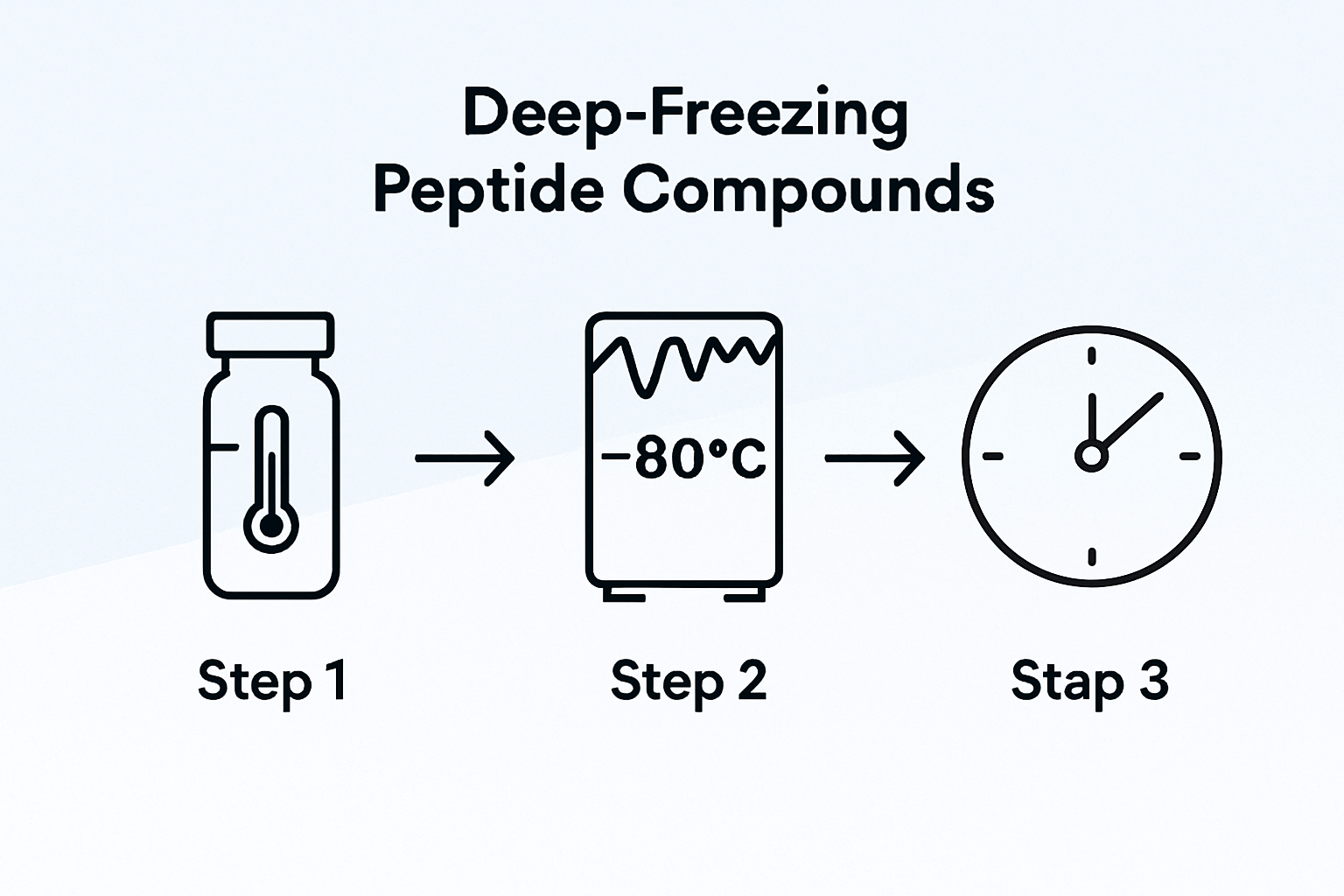
Scientific investigations highlight the critical nature of storage protocols. Emerging research indicates that even minimal deviations in storage conditions can significantly impact the efficacy and safety of peptide compounds. The molecular sensitivity of GLP-1 analogues demands an unprecedented level of environmental precision, transforming storage from a mundane logistical concern into a sophisticated scientific discipline.
Ultimately, deep-freezing represents a nuanced intersection of chemistry, physics, and molecular engineering. Researchers must approach peptide preservation with the same meticulous attention typically reserved for the most delicate scientific instruments, recognizing that each degree of temperature and each moment of exposure can fundamentally alter the molecular landscape of these groundbreaking compounds.
Common Myths About Facial Volume Loss
Facial volume loss represents a complex biological phenomenon frequently misunderstood by both researchers and the general public. Advanced metabolic research reveals that the process is far more nuanced than simple weight reduction, challenging popular misconceptions about rapid body composition changes.
Contrary to popular belief, facial volume loss is not exclusively linked to specific medications or weight loss interventions. Comprehensive studies on metabolic transformations demonstrate that significant weight reduction, regardless of method, can trigger substantial changes in facial tissue structure. The myth that only certain compounds cause facial aging overlooks the fundamental biological mechanisms underlying dramatic metabolic shifts.
One prevalent misconception suggests that facial volume loss is purely an aesthetic concern. Scientific investigations reveal a more intricate narrative – this phenomenon represents a complex interplay of cellular metabolism, collagen degradation, and systemic physiological adaptations. Plastic surgery research underscores that skin laxity and volume reduction are natural consequences of significant weight loss, transcending any single intervention or compound.
Ultimately, understanding facial volume loss requires dismantling simplistic narratives. Researchers must approach this topic with scientific rigor, recognizing the multifaceted nature of metabolic transformations. The human body represents a dynamic system where weight loss, hormonal changes, and cellular metabolism intersect in ways that challenge our traditional understanding of physiological adaptation.
Lab Protocols to Prevent Degradation and Bias
Researchers navigating the complex landscape of peptide studies must implement rigorous methodological safeguards to maintain experimental integrity. Peptide quality control protocols represent a critical first line of defense against systematic errors that could compromise scientific understanding.
Minimizing bias requires a multifaceted approach that extends beyond simple procedural checklists. Researchers must develop sophisticated strategies that account for molecular sensitivity, environmental fluctuations, and potential contamination risks. Comprehensive quality control techniques demand meticulous attention to storage conditions, handling protocols, and precise measurement techniques that eliminate potential sources of experimental variation.
The preservation of molecular compounds demands an unprecedented level of scientific precision. Emerging research emphasizes that even minor deviations in storage or handling can introduce significant variability into experimental outcomes. Standardized protocols become essential, transforming what might appear to be mundane laboratory practices into sophisticated molecular protection strategies that ensure the reliability and reproducibility of scientific investigations.
Ultimately, preventing degradation and bias is not about following a rigid set of rules, but about cultivating a scientific mindset that approaches every aspect of research with critical scrutiny. The most advanced laboratories recognize that methodological rigor is not a constraint but a pathway to more profound and reliable scientific discoveries.
Elevate Your GLP-1 and Metabolic Research with Area 15 Labs
The complexity of “Ozempic Face” and the intricate metabolic shifts involving GLP-1 compounds demand research tools that match this sophistication. Rapid facial volume changes and the biochemical nuances behind fat mobilization are not just phenomena to observe but puzzles to decode with precision. That means you need high-purity, rigorously tested peptides and lab supplies delivered fast and hassle-free to keep your studies on the cutting edge.
At Area 15 Labs, we provide exactly that. We understand that safeguarding compound integrity during storage and preventing peptide degradation is vital for credible results. Our commitment to scientific rigor and radical transparency means you receive only third-party verified products. Plus, our Texas-based warehouse ensures lightning-fast shipping across the U.S. while supporting you with real American customer service. Fuel your metabolic and GLP-1 research with our range of advanced agonists and essential lab materials designed to empower the modern “Citizen Scientist” with swagger.
Ready to push your research further? Discover how our no-nonsense solutions can accelerate your work while keeping it pure and precise. Start exploring our offerings today at Area 15 Labs. Dive deeper into peptide quality and storage insights by visiting our guides on Peptide Quality Control and get ahead with the latest in metabolic compound innovation with GLP-1 Semaglutide. Don’t settle for slow shipping or sketchy sources—research harder with Area 15 Labs now.
Frequently Asked Questions
What is ‘Ozempic Face’?
‘Ozempic Face’ refers to facial volume changes that occur due to rapid weight loss associated with GLP-1 agonist usage, impacting fat distribution and tissue structure.
How do GLP-1 compounds affect facial appearance?
GLP-1 compounds can trigger rapid fat loss, leading to reduced facial volume, which affects collagen and elastin structures, resulting in aesthetic changes.
Are the changes from ‘Ozempic Face’ reversible?
While some changes may improve with gradual weight stabilization or restoration, significant volume loss may require cosmetic interventions for optimal results.
What role does deep-freezing play in preserving peptide compounds?
Deep-freezing maintains the molecular integrity of peptide compounds like GLP-1, preventing degradation and ensuring their efficacy and safety during storage.
Recommended
- Battle of the Agonists: Semaglutide vs. Tirzepatide vs. Retatrutide | Research Peptides & News | Area 15 Labs
- GLP-1 Semaglutide 10mg | Research Peptide | High-Purity Compound
- Peptide Stacking Research: Hype, Synergy, & Lab Reality
- GLP-3 Retatrutide 5mg Research Peptide | Premium High-Purity Compound
- How GLP-1 Receptor Agonists Aid in Weight Loss? – LeanAndFit