

Most advice about research peptides often overlooks just how different HGH fragments are from full growth hormone. For American scientists and medical professionals, this distinction shapes the direction and reliability of emerging studies. With unique molecular structures leading to dramatically different effects, understanding these differences means gaining smarter insights into metabolic research and clinical applications that go far beyond common assumptions.
Table of Contents
- HGH Fragments Versus Full Growth Hormone
- Mechanism of Action in Fat Metabolism
- Growth Hormone Signaling Pathways Explained
- Common Myths and Misconceptions Debunked
- Research Use, Limitations, and Safety
Key Takeaways
| Point | Details |
|---|---|
| HGH Fragments vs Full Growth Hormone | HGH fragments exhibit distinct biological behaviors and differences in potency compared to full growth hormone molecules. |
| Mechanism of Action in Fat Metabolism | Specific HGH fragments selectively activate beta(3)-adrenergic receptors, enhancing lipid mobilization and glucose metabolism. |
| Growth Hormone Signaling Pathways | HGH fragments possess unique signaling capabilities, influencing cellular processes differently than full growth hormone. |
| Common Myths and Misconceptions | HGH fragments are specialized research tools, not direct replacements for full growth hormone, misunderstanding their function limits research potential. |
HGH Fragments Versus Full Growth Hormone
When examining the complex landscape of research peptides, understanding the nuanced differences between HGH fragments and full growth hormone becomes critically important. Unlike conventional assumptions, these molecular components are not simply interchangeable – they represent distinct biochemical entities with unique characteristics. Scientific investigation reveals fascinating insights into their structural and functional variations.
Research has demonstrated that HGH fragments, specifically segments corresponding to amino acids 1-43 and 44-191, exhibit markedly different biological behaviors compared to intact growth hormone molecules. Proteolytic studies of human growth hormone fragments indicate these segments can be enzymatically generated through limited proteolysis, presenting intriguing possibilities for targeted research approaches.
The potency and cellular interaction profiles of these fragments diverge significantly from full-length growth hormone. In vitro bioactivity assessments revealed that while HGH fragments can stimulate certain cell proliferation processes, their effectiveness remains substantially lower than intact hormone molecules. Specifically, these fragments demonstrate minimal interaction with receptors in mouse and rabbit cell lines, underscoring the complexity of molecular biological interactions.
Key comparative characteristics between HGH fragments and full growth hormone include:
- Reduced molecular weight
- Limited receptor binding capacity
- Differential cellular stimulation potential
- Enzymatic generation through specific proteolytic processes
These nuanced differences highlight why researchers must approach HGH fragment studies with precision and carefully controlled methodological frameworks. Understanding these molecular intricacies is paramount for advancing our comprehension of peptide research dynamics.
Mechanism of Action in Fat Metabolism
Understanding the intricate mechanism of action for HGH fragments in fat metabolism requires delving into the complex biochemical interactions that govern lipid breakdown and energy utilization. These molecular fragments demonstrate remarkable specificity in targeting adipose tissue, presenting a nuanced approach to metabolic research that extends beyond traditional hormonal interventions.
Research investigating the lipolytic effects of growth hormone fragments reveals a fascinating mechanism centered on beta(3)-adrenergic receptor activation. Specifically, studies in obese mice demonstrated that certain HGH fragments can significantly reduce body weight and body fat by enhancing the expression of these critical receptors, which play a pivotal role in breaking down stored lipids.

The metabolic pathway involves a sophisticated interplay between molecular fragments and cellular receptors. Hypoglycemic response studies indicate that specific HGH fragments can independently modulate glucose metabolism, suggesting a complex mechanism that goes beyond traditional hormonal signaling. These fragments appear to activate specific biochemical pathways that trigger lipolysis – the process of breaking down fat stores for energy utilization.
Key metabolic interaction mechanisms include:
- Selective beta(3)-adrenergic receptor activation
- Enhanced lipid mobilization from adipose tissue
- Independent glucose metabolism modulation
- Targeted cellular signaling without full hormone engagement
This intricate molecular dance underscores the sophisticated potential of HGH fragments in metabolic research, revealing how targeted molecular interactions can potentially influence complex physiological processes without the comprehensive hormonal cascade of full growth hormone molecules.
Growth Hormone Signaling Pathways Explained
The intricate world of growth hormone signaling represents a complex molecular communication network that governs critical cellular processes across multiple biological systems. Unlike simplistic linear pathways, these signaling mechanisms involve sophisticated interactions between molecular fragments, receptors, and downstream cellular responses that challenge conventional understanding.
Proteolytic studies of human growth hormone fragments reveal a nuanced landscape of molecular interactions where different fragment segments demonstrate unique signaling capabilities. The human growth hormone molecule, typically 22 kDa in size, can be enzymatically cleaved into distinct 5 and 17 kDa fragments, each possessing potentially different immuno-affinity properties and cellular communication potentials.
In vitro bioactivity assessments demonstrate that these molecular fragments exhibit variable cellular proliferation characteristics. While some fragments can stimulate cell proliferation, their potency remains substantially lower compared to intact growth hormone molecules. This variability highlights the complexity of receptor binding and signal transduction mechanisms inherent in growth hormone biochemistry.
Key signaling pathway characteristics include:
- Differential receptor interaction capabilities
- Varied cellular proliferation responses
- Fragment-specific molecular communication patterns
- Enzymatic generation through precise proteolytic processes
Understanding these intricate signaling pathways requires a molecular perspective that appreciates the subtle yet profound differences between fragment segments and full hormone molecules. This granular approach provides researchers with deeper insights into the sophisticated communication networks that govern cellular behavior.
Common Myths and Misconceptions Debunked
The realm of HGH fragments is riddled with misconceptions that often blur the lines between scientific research and popular speculation. Many individuals mistakenly view these molecular components as magical solutions or direct replacements for full growth hormone, a perspective that fundamentally misunderstands their complex biochemical nature.
Research on HGH Fragment 176-191 reveals a critical distinction between fragment molecules and traditional growth hormone. Unlike full growth hormone, which impacts multiple physiological systems, this specific fragment targets metabolic pathways with remarkable precision. It is not a comprehensive hormone substitute but a specialized molecular tool designed for targeted metabolic research.
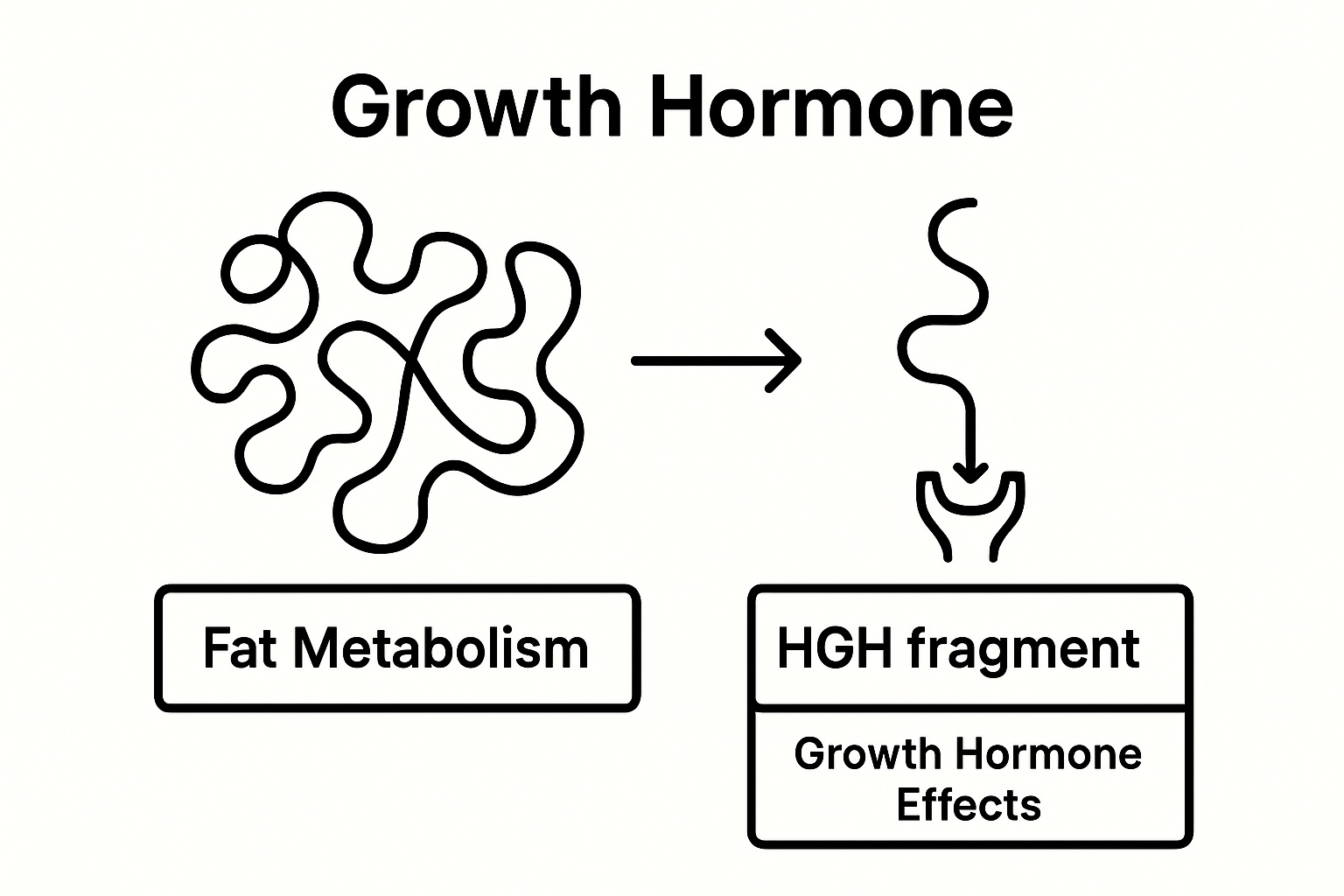
Comprehensive analysis of synthetic peptide characteristics demonstrates that these fragments represent sophisticated research tools, not miraculous weight loss solutions. The molecular segment derived from amino acids 176 to 191 offers unique metabolic insights without triggering the comprehensive hormonal cascades associated with full growth hormone molecules.
Common myths surrounding HGH fragments include:
- Believing they function identically to full growth hormone
- Assuming they provide comprehensive metabolic transformation
- Misunderstanding their highly specialized research potential
- Expecting universal physiological effects across different biological systems
Critical scientific understanding requires dismantling these oversimplified narratives and recognizing the nuanced, targeted nature of molecular research fragments. Each fragment represents a precise molecular instrument, engineered to explore specific metabolic interactions with unprecedented specificity.
Research Use, Limitations, and Safety
Navigating the intricate landscape of research peptides demands a rigorous understanding of scientific boundaries, ethical considerations, and methodological constraints. These molecular fragments represent sophisticated research tools that require precision, careful interpretation, and a nuanced approach to scientific exploration.
Investigations into lipolytic fragment mechanisms reveal critical limitations in extrapolating research findings across biological systems. Studies with obese mice demonstrated that specific growth hormone fragments like AOD9604 can influence beta(3)-adrenergic receptor expression, but these effects are highly context-dependent. The absence of similar responses in receptor knock-out models underscores the complexity of molecular interactions and the dangers of overgeneralizing research outcomes.
Metabolic response studies further illuminate the precise boundaries of research applications. The synthetic 4-15 fragment’s ability to modulate glucose metabolism independently of full hormone mechanisms highlights both the potential and the limitations of targeted molecular research. These findings emphasize that each fragment represents a unique molecular instrument with specific, constrained research capabilities.
Key research considerations include:
- Strict adherence to controlled experimental protocols
- Recognition of molecular context specificity
- Avoiding unwarranted extrapolation of findings
- Maintaining rigorous scientific skepticism
Responsible research use guidelines demand a methodical approach that respects the inherent complexity of molecular interactions. Researchers must approach these fragments as precise investigative tools, understanding their potential while remaining cognizant of their significant limitations and the ethical imperatives of scientific investigation.
Cut Through The HGH Fragment Noise With Area 15 Labs
The article “The HGH Fragment Myth: Fat Metabolism Unmasked” highlights the complex science behind HGH fragments and their distinct roles compared to full growth hormone. We know you want research tools that respect these nuances — no shortcuts, no myths. Understanding the precise mechanisms like beta(3)-adrenergic receptor activation or limited receptor binding means having access to compounds that deliver purity and reliability to back your studies.
That is exactly what we do at Area 15 Labs. We are the No-BS choice from Texas shipping lightning fast and offering rigorously tested, high-purity compounds made for serious researchers who demand transparent results without waiting weeks. Whether you need sophisticated peptides or innovative research blends, we combine cutting-edge science with a viral space-age vibe that makes research exciting again. Why settle for delayed overseas suppliers or sterile, clinical brands when you can experience Research with Swagger?
Dive deeper into peptide science or explore our latest Alien Tech compounds today. Don’t let outdated myths slow your progress. Join the movement of Citizen Scientists choosing fast, honest, and uncompromising research materials at Area 15 Labs. Your next breakthrough starts with the best tools shipped right from Texas.
Frequently Asked Questions
What are HGH fragments, and how do they differ from full growth hormone?
HGH fragments are specific molecular segments of the growth hormone that exhibit unique biochemical properties and mechanisms. Unlike full growth hormone, which impacts multiple physiological systems, HGH fragments target specific metabolic pathways with precision, often demonstrating reduced molecular weight and limited receptor binding capacity.
How do HGH fragments affect fat metabolism?
HGH fragments can enhance fat metabolism by selectively activating beta(3)-adrenergic receptors, which play a critical role in lipid breakdown. Research indicates that these fragments can stimulate lipolysis, promoting energy utilization from fat stores, but their effectiveness may vary compared to full growth hormone.
Are HGH fragments a suitable replacement for full growth hormone in metabolic research?
No, HGH fragments are not substitutes for full growth hormone. They represent specialized research tools designed for targeted studies rather than comprehensive hormonal replacements. Their distinct molecular characteristics make them suitable for exploring specific metabolic interactions without triggering the full spectrum of physiological effects associated with complete growth hormone.
What are the limitations of using HGH fragments in research?
The use of HGH fragments in research has several limitations. Their effects are highly context-dependent, meaning results from one model may not apply universally. Additionally, the potential for overgeneralization of findings needs to be carefully managed, and researchers must adhere to strict experimental protocols to ensure accurate and ethical investigations.
Recommended
- Battle of the Agonists: Semaglutide vs. Tirzepatide vs. Retatrutide | Research Peptides & News | Area 15 Labs
- New Peptide Trends: What’s Hot on Social Media Peptides • Area 15 Labs
- Ozempic Face in the Lab: GLP-1, Fat Loss, and Science
- Peptide Stacking Research: Hype, Synergy, & Lab Reality
- Understanding Hair Growth: The Science Explained | MyHair